Avoid unnecessary travel, and follow precautions to prevent Hypothermia, Frostbite
19 Dec 2025 14:01:28
Staff Reporter :
THE Commissioner of Public
Health and Medical Education,Tarun Rathi, has issued an advisory to ensure that all medical
college deans, Chief Medical and
Health Officers, and Civil
Surgeons
cum Hospital
Superintendents make field staff
and citizens aware of the symp
toms, preventive measures, and
necessary preparations for the
ongoing cold wave. During
December and January, cold
wave conditions are commonly
observed across Madhya
Pradesh. In several regions, minimum temperatures have fallen
to 3-4°C, while in Bhopal and
nearby areas, temperatures
mostly range between 5-7°C,
occasionally dropping to 4°C.
These extreme conditions pose
health risks including hypothermia, frostbite, and, in severe cas
es, fatalities, especially among
senior citizens above 65 years,
children under five, individuals
with heart or respiratory illnesses, the homeless, outdoor and
construction workers, roadside
dwellers, and small traders.
What is cold wave? A cold wave
is a weather phenomenon
marked by sudden drops in minimum temperature accompanied by cold winds, frost, or ice
formation. Citizens are advised
to stay updated with weather
forecasts, wear warm clothing in multiple layers, cover head, neck,
hands, and feet using caps, mufflers, and socks, and use water
proof footwear. Warm fluids such
as tea or soup and a balanced
diet rich in vitamin C from fruits
and vegetables are recommended.
Exposure to cold winds
should be minimised, and
unnecessary travel avoided.
Special attention should be paid
to children, elderly, solitary, and
vulnerable individuals, while
essential medicines, fuel, drinking water, and other supplies
should be stocked in advance.
Anyone affected by extreme cold
should seek immediate medical
attention and contact the nearest
hospital.
Signs
of
Hypothermia and Frostbite:
People are cautioned not to
remain in wet clothes, avoid alcohol for those suffering from
hypothermia, and never ignore
severe cold-related symptoms.
Common signs of hypothermia
include shivering, extreme
fatigue, confusion, difficulty
speaking, or drowsiness, while
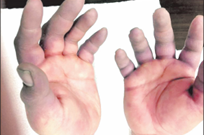
frostbite can cause numbness or
whitening/yellowing of fingers,
toes, ears, or nose. Infants may
show cold, red skin and low energy. Hypothermia is a medical
emergency, and affected individuals should be moved to a
warm place, covered with dry
blankets, and taken to the nearest hospital immediately.