Road accident deaths, injuries fall in Nagpur Rural
26 Dec 2025 12:17:08
Staff Reporter :
Even with heavy rains, a longer monsoon season and growing traffic on highways, Nagpur Rural Police has managed to bring down road accident deaths and injuries in 2025. Police officials say, steady enforcement, better traffic management and continuous road safety awareness have made the difference.
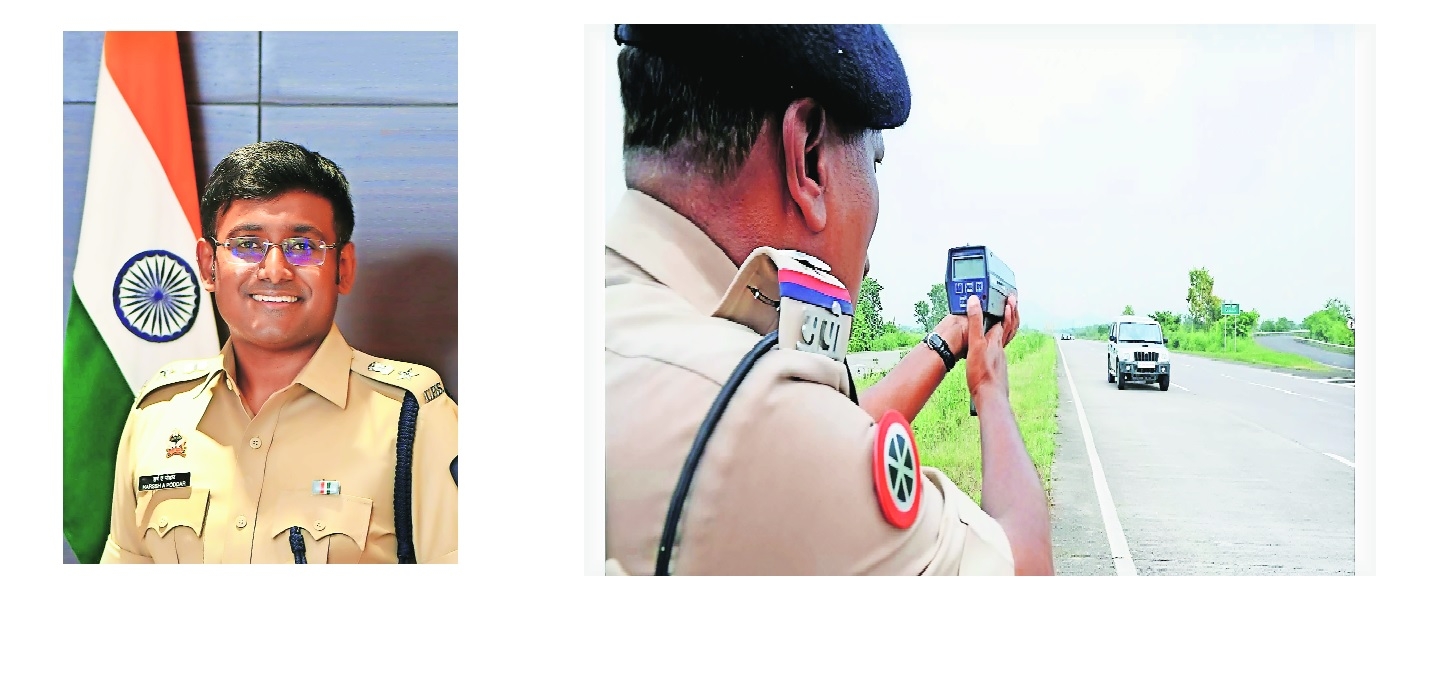
Superintendent of Police (SP) Dr Harssh Poddar said, accident data from January to November 2025 shows a clear improvement compared to the same period last year. “Both fatalities and injuries have come down. This didn’t happen overnight. It’s the result of consistent, coordinated work by the Nagpur Rural Police, the district administration and the Save Life Foundation under the Road Safety initiative,” he said.
Police figures show that road accident injuries dropped by nearly 15 per cent in 2025, while fatalities declined by about 1 per cent. Officers say the trend is encouraging, especially given the conditions that normally push accident numbers up - early monsoon showers, prolonged rainfall, heavier traffic and longer travel hours on major routes.
Crackdown
on risky driving
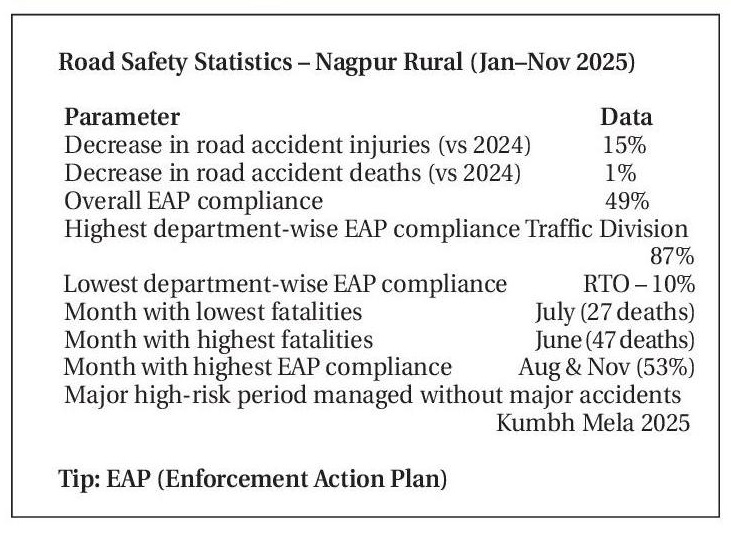
Throughout the year, the Nagpur Rural Police focused heavily on prevention. The police teams intensified action against overspeeding, drunk driving and other dangerous driving habits. Regular vehicle checks, strict enforcement on highways and close monitoring of accident-prone stretches became routine.
A major test of these arrangements came during the Kumbh Mela, when lakhs of devotees passed through the district. Despite the massive rush, police say, no major road accident was reported. “It was all about planning ahead - round-the-clock deployment, traffic diversions where needed and zero tolerance for violations,” a senior police officer said.
Battling
monsoon risks
The prolonged monsoon posed fresh challenges, particularly on rural roads and highways passing through low-lying areas. Police teams kept a close watch during heavy rainfall, installed warning signs, regulated traffic
at vulnerable points and coordinated with other departments to reduce risks.
At the same time, awareness drives were stepped up. Traffic rules and safe driving messages were taken to villages, schools and highway users. According to police, these campaigns helped change behaviour on the ground and brought down instances of rash and negligent driving.
EAP implemented to reduce accidents
Data also points to a clear link between enforcement levels and road fatalities. Compliance with the Enforcement Action Plan (EAP) varied across departments between January and November 2025. The Nagpur Rural Traffic Division led with 87 per cent compliance, followed by police station teams at 39 per cent and Highway State Police at 30 per cent. The Regional Transport Office (RTO) recorded 10 per cent compliance. Overall, district-wide EAP compliance stood at 49 per cent.
Month-wise figures underline the impact. In July and August, when compliance crossed 52 per cent, fatalities fell to 27 and 28 respectively. In contrast, months with lower compliance - such as February and October -saw higher death tolls of 44 and 43.
“The message is clear,” Dr Poddar said. “Stronger enforcement leads to safer roads. When compliance improves, fatalities come down.”
Black spots, rural highways and peak travel periods will receive special attention,” he said.
“Our goal isn’t just to issue challans - it’s to prevent accidents,” Dr Poddar said.