Samatva Yoga - Pain Pleasure Baseline
07 Dec 2025 10:16:02
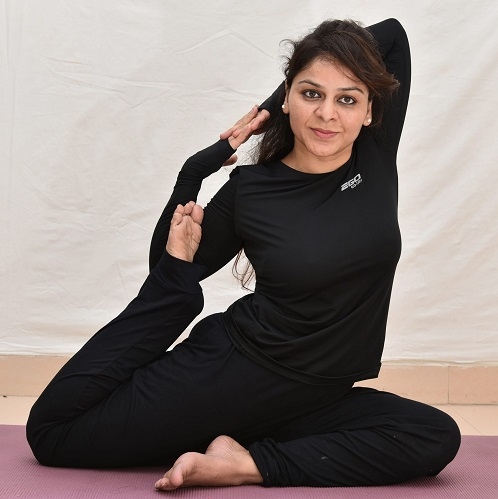
By DR BHUSHAN KUMAR UPADHYAYA :
Samatva or equanimity is considered the heart of Yoga. It
means holding pain and
pleasure with equal steadiness,
without collapsing under suffering
or clinging to delight. The
Bhagavadgeeta defines Yoga as
Samatva or a balance as the highest expression of self mastery.
Modern neuroscience also echoes
the same concept with remarkable
clarity. The human brain is wired
to constantly evaluate experiences as good or bad - rewarding
or threatening. The limbic system,
specifically the amygdala immediately reacts to discomfort, pain,
loss, and criticism.
On the other
hand, reward circuits, nucleus
accumbens and dopamine pathways dominate with praise, pleasure , and sensory gratification.
Thus, there is a constant pull and
push cycle of craving and aversion
which are called Raga and Dvesha
in the Yogic terminology.
Samatva Yoga trains the mind to
witness these waves without
being thrown off balance.
Neuroscience shows that through
mindfulness, breath regulation,
and meditative steadiness practitioners gradually down- regulate
the reactivity in the limbic system.
Neuroscience opines that regular
practices of meditation enhance
the strength of the prefrontal cortex which is the centre of rational
thinking, emotional regulation,
and wise decision making. In this
way, one shifts from impulsive
reflexes to conscious response.
Yogic philosophy treats pain not
only as physical, but also born out
of Kleshas - ignorance , ego, sensitivity, aversion and clinging.
Similarly, pleasure is not only sensory in nature, but often psychological seeking validation, status ,
and success.
They intoxicate the
human mind also.
Samatva trains the mind to
watch both pain and pleasure as
the temporary modifications of the
human mind which the seer
Patanjali calls Chitta- Vritti.
Neuroscience propounds that
pain - pleasure activates overlapping neural circuits in the brain.
Studies have found that intense
pain and pleasure lights similar
parts of the insula and anterior
cingulate cortex, the areas which
are responsible for emotional regulation. It has
been
revealed in
research that
the brain
uses the
shared circuits and networks for
processing
both these
extremes.
Breath
plays a vital
role in cultivating this mental balance.
Regulated breathing activates the
vagus nerve, calms down the
body, and reduces emotional turmoil. Different Yogic practices harmonize Prana, leading to mental
stability. Yogic philosophy teaches
to enjoy pleasure without getting
attached to it. Similarly, by developing non- reactive awareness, it
becomes easy to experience pain
without falling apart. Neuroscience
calls it meta awareness.
It is
observing emotions without
judgement. This mental state
strengthens the prefrontal cortex,
and quiets the limbic system,
responsible for mental and emotional turbulence. It
is the cultivation of
emotional
resilience and a
steady inner emotional climate.
Thus, Samatva
Yoga redefines our
relationship with
success and failure.
It treats pain and
pleasure as the two
sides of the same
dualistic coin, born
from the interplay
of different Gunas or tendencies.
Samatva is choosing actions not in
impulse, but in clarity. With this
mindset the nervous system gets
less chaotic, and more coherent
with improved immunity, better
sleep, and enhanced cognitive
functioning. Samatva Yoga is a
neuro -spiritual discipline based
upon a life approach with a quiet
mind and a coherent heart. It is a
training in balance, holding life in
a perfect harmony of the head ,
hand , and heart.

(The writer is Former DG
Police & CG, Homeguards,
Maharashtra)
■