5 bn globally lack access to medical oxygen, poor nations most affected, says Lancet
| Date :12-Feb-2025 |
NEW DELHI :
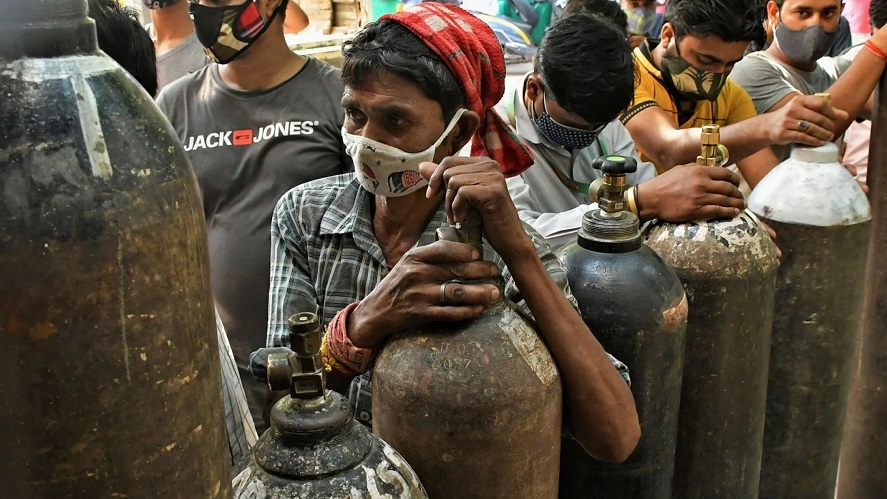
FIVE billion people, which is nearly two-thirds of the world’s population, lack access to medical oxygen, with the highest inequities in low-and middle-income countries.
Medical oxygen is essential in a healthcare system for treating patients, including those with surgery, asthma, trauma and maternal and child care.
It is also critical to a country’s pandemic preparedness by helping prevent a repeat of the COVID-19 oxygen shortages and the mass fatalities that resulted.
The report by the Lancet Global Health Commission on Medical Oxygen Security, is the world’s first estimate of how unequally medical oxygen is distributed, the gaps in coverage of patients in need, along with costs required to bridge these gaps.
In this study, the researchers said that 82 per cent of patients worldwide requiring medical oxygen live in low- and middle-income countries (LMICs), and nearly 70 per cent are concentrated in South and East Asia, the Pacific, and sub-Saharan Africa. The patients include those with acute medical and surgical conditions, and long-term oxygen needs due to chronic obstructive pulmonary disease (COPD). However, less than one in three people needing oxygen for medical or surgical conditions receive the life-saving gas, due to gaps in service contact, readiness, provision, and quality, leaving almost 70 per cent of the patients without coverage.
The gaps are even higher in regions, including Sub-Saharan Africa and South Asia.