Mahakumbh and Karma
| Date :17-Feb-2025 |
By Siddharth Mishra :
Faith is a deep trust or belief in something, often without tangible proof. It can be religious (belief in God or a higher power) or secular (faith in humanity, science, or oneself). People hold onto faith for many reasons:Hope and Comfort ,Community and Belonging , Guidance and Morality , Coping Mechanism and Sense of Control . Whether religious or not, faith plays a powerful role in shaping how people view the world and navigate life’s challenges.
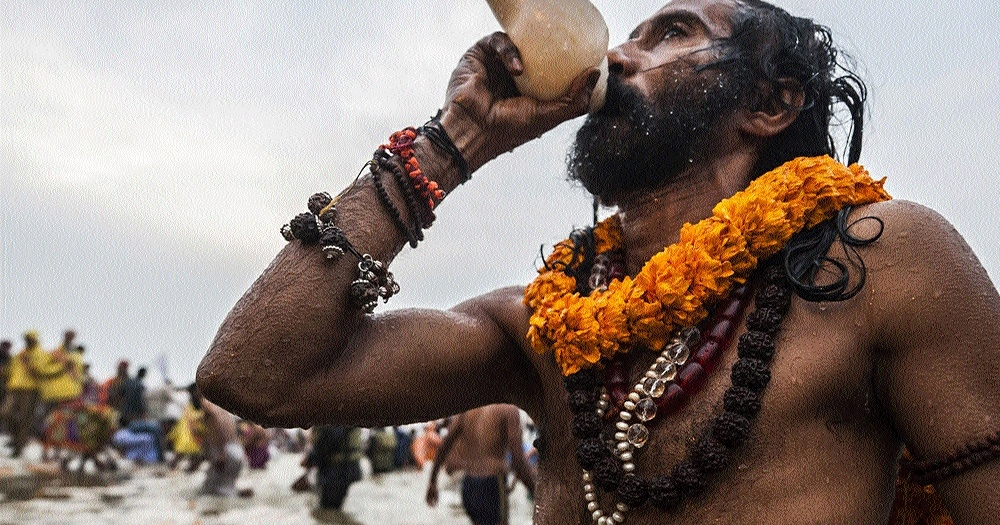
Mahakumbh is one of the largest spiritual gatherings in the world, deeply rooted in faith and devotion. Held every 12 years at four sacred riverside locations—Prayagraj, Haridwar, Ujjain, and Nashik—it represents the belief in purification, redemption, and the eternal quest for spiritual enlightenment. Millions of devotees, including sadhus, ascetics, and pilgrims, gather to take a holy dip in the sacred rivers, believing it washes away sins and brings them closer to moksha (liberation).
Faith is the foundation of Mahakumbh, driving people across generations to participate despite challenges. It symbolizes unity, devotion, and the enduring power of belief in divine blessings.
The event is not just a ritual but a grand celebration of spiritual consciousness and cultural heritage.
Significance of MahakumbhMela: Spiritual Purification,Celestial Alignment,Gathering of Saints and Sages, Cultural and Social UnityReligious Discourses and Rituals,Historical and Mythological Importance.
Dharma generally means morality in Hindu religion and philosophy. It is based on the belief that rules, order, and customs make life and the universe work. In other words, people have a duty to behave appropriately to uphold this order. Dharma is also about believing in a higher purpose, being compassionate and empathetic to others, and understanding that everything in the world is connected. It believes in our ability to control our actions, take responsibility for these actions, and make choices based on what’s right.On the other hand, karma is the belief that your actions and choices can shape your life and the next. Because what you do can lead to good or bad consequences, karma encourages doing good things with good intentions so you can have a positive future.
Karma promotes intentional action.
For example, when you help someone in need, the action leaves an imprint. As these imprints develop with experiences, it opens the possibility of you receiving help in return when you need it. Conversely, harmful actions bring about negative consequences — you won’t receive help when you need it, but instead, you may be harmed.
Karma psychology is essentially the same. If you act with good intentions, happiness will follow. If you act with ill intentions, problems will follow.
When you see dishonest and cruel people in positions of power get ahead in life or kind people face hardships and die young, it may be hard for you to believe in karma. Many people invest in karma only in times of distress or when uncontrollable situations occur, such as a decline in health.
Karma often helps people deal with these situations.
Even people who don’t believe in karma often think that good deeds lead to good outcomes.
However, there is a downside to this belief. Some people are selfless givers, who think their good deeds and sacrifices will help them win in life. But many of these givers also fail because they find it hard to set boundaries when helping others. They may drop their own ambitions and goals to help others.
The real moksha is rightful action in one’s life.
Kabir says, “Moko Kahan Dhundhere Bande Mein To Tere Paas Mein
Na Teerath Mein, Na Moorat Mein Na Ekant Niwas Mein
Na Mandir Mein, Na Masjid Mein Na Kabe Kailas Mein
Mein To Tere Paas Mein Bande Mein To Tere Paas Mein.”
n