First tehsil in district Saoner to get CCTV surveillance system
24 Feb 2025 12:01:11
Staff Reporter :
Saoner is going to become the first tehsil in Nagpur district to get CCTV surveillance project to assist the cops in bettering the policing in the border town of State. About 25 places have been identified in the town for installation of the CCTV units, said Dr Harrsh Poddar, Superintendent of Police, Nagpur Rural. As to why Saoner first, the SP said that it was the biggest town in the district and hence chosen for rolling out the CCTV project there on priority basis. The CCTVs are going to be installed at main roads, in market places, prominent intersections, bridges that would be monitored 24x7 through centralised monitoring room located at Saoner Police Station.
Busy streets, recreational places that see crowding would also be covered and through surveillance, any trouble that
arises can be dealt with. Similarly in case of any untoward incident, the video recording would
come in handy for cracking down on trouble-makers. The CCTV network would be connected through fiber and wi-fi network connectivity.
Dotted with mines of Western Coalfields Limited (WCL) and that of Manganese Ore India Limited (MOIL), Saoner is a bustling town, having a mixed population.
The crime scenario in the town too is a cause of worry as due to coal mines, the presence of criminals and their movement needs to be kept in check. Therefore, Nagpur Rural Police pitched for Saoner as first tehsil in district for the CCTV coverage which Dr Poddar feels would help in fine-tuning the policing in the town.
Asked about its impact given that machines need personnel for manning the same, the SP said these days, with advent of artificial intelligence, massive data can be analysed in a matter of minutes so cops can analyse the same to create scenarios to predict occurrence of some troublesome situations that would ensure that force is prepared for its response.
So whether it is about cracking any crime or tackling law and order situation, the footage captured through CCTV at strategic locations can help the police to pinpoint the culprits involved in fanning trouble and track them down. Dr Poddar further said that surveillance was a critical part of law and order and technology usage would help in furthering the safety and security of the citizens.
As senior officers would have constant access to the CCTV footage, any trouble that could later flare-up can be tackled with faster mobilistaion of force after analysis of the spot data fed to control room set-up exclusively to access the footage or at their offices. Mainly in policing response, time is a critical aspect, and the digital surveillance would play a significant role in the same.
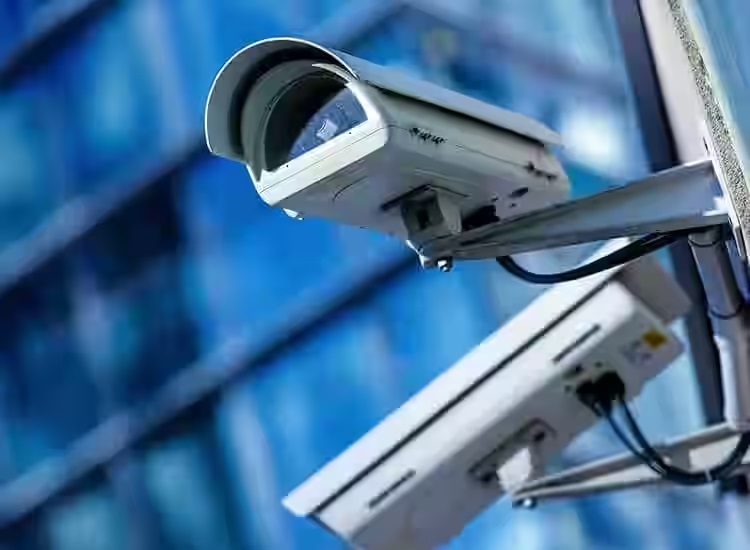
Apart from helping in tackling crime, the CCTV network would be extensively used for traffic management in the town. This is so as district police have specified automatic number plate recognition (ANPR) enabled cameras so that they can capture the registration number of vehicles. They are helpful as it uses optical character recognition on images to read vehicle registration plates that create vehicle location data. Also the cops have asked for PTZ cameras that have facility to tilt or zoom as those manning the surveillance from control room should be able to maneuver them in specific direction.
Proposed camera locations
Gandhi Square, Rajkamal Square, Bus Stand, Dr Babasaheb Ambedkar Statue, near bus stand, Balaji Celebration T-Point, Bharat Petrol Pump, Nag Mandir Waghoda Turning, Gujarkhedi T-Point, Borujwada Bridge, Khapa T-Point, Shivaji Square, Near Mangal Bar, Gadkari Square, Near lTl, near Ambika Restaurant, Telkamptee Mohpa By-Pass Square, Heti Mohpa By-pass T-Point, Jaistambh Square, Opp Murlidhar Mandir, Hodi Square, Satwa Mata Mandir, Sai Mandir, Railway Station Road near Bhograde Layout and Khapa Road By-pass Bridge.