Bhopal toxic waste Trial run for disposal begins
| Date :01-Mar-2025 |
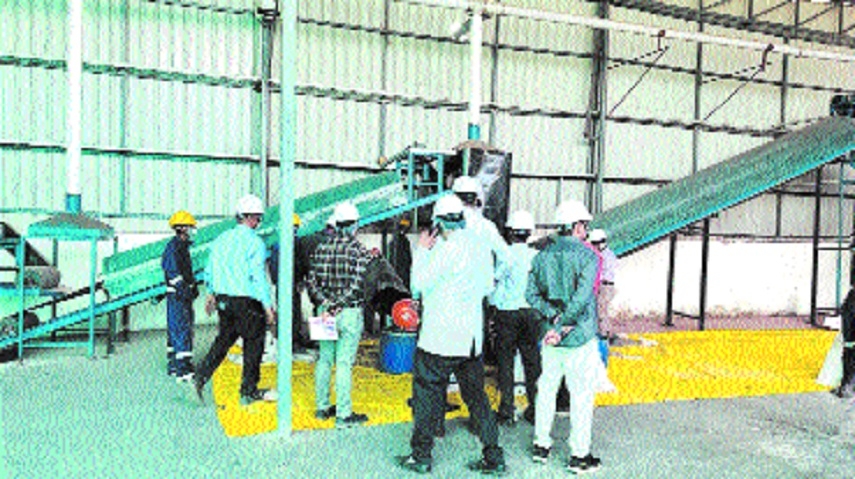
The incineration process underway in Pithampur plant
By Bhavana Aparajita
Shukla :
As the Supreme Court on Thursday decided not to interfere with the trial process for burning toxic waste from Bhopal’s abandoned Union Carbide plant, the State Government started the process on Friday. This waste transfer follows a High Court order from January 2 and an earlier directive from December 2024.
A total of 337 tons of toxic material was moved from Bhopal to Pithampur.
The trial run for disposal began on Friday and will take 2 to 4 days per batch, according to officials.
After 56 days of preparation, five containers of hazardous waste were opened on Thursday at a private facility in Pithampur, near Indore. Heavy police presence has been arranged due to protests from locals in Pithampur, Tarpura village, and Indore.
Several public interest cases have been filed in the Madhya Pradesh High Court. Activists have raised concerns, claiming the Government provided misleading information to get approval and skipped permissions from local authorities.
Rachna Dhingra, an activist, alleged out that the Madhya Pradesh Pollution Control Board had issued a notice to the Pithampur facility in December 2024 for violating environmental laws. She also warned about pollution risks from diesel use and hazardous ash, which could contaminate groundwater.
The Government insists the process follows regulations and has allocated Rs 126 crore for waste disposal. However, past incidents raise doubts. In 2008, 10 tons of waste dumped in Pithampur turned a river black, sparking protests. A 2015 trial to burn waste led to further studies, forming the basis for the current High Court orders.
The trial operations for the 337 tons of waste are expected to finish by late March, with results guiding future decisions. This issue is highly sensitive, balancing environmental, health, and administrative concerns.
The toxic waste was originally meant for pesticide production at Union Carbide in the 1980s. A gas leak in 1984 killed thousands, making it the world’s worst industrial disaster.