Kolhan Nala runs dry, villagers stare at crisis
| Date :13-May-2025 |
Our Correspondent
KHARORA,
Once a perennial source of water, the stream now gasps in peak summer
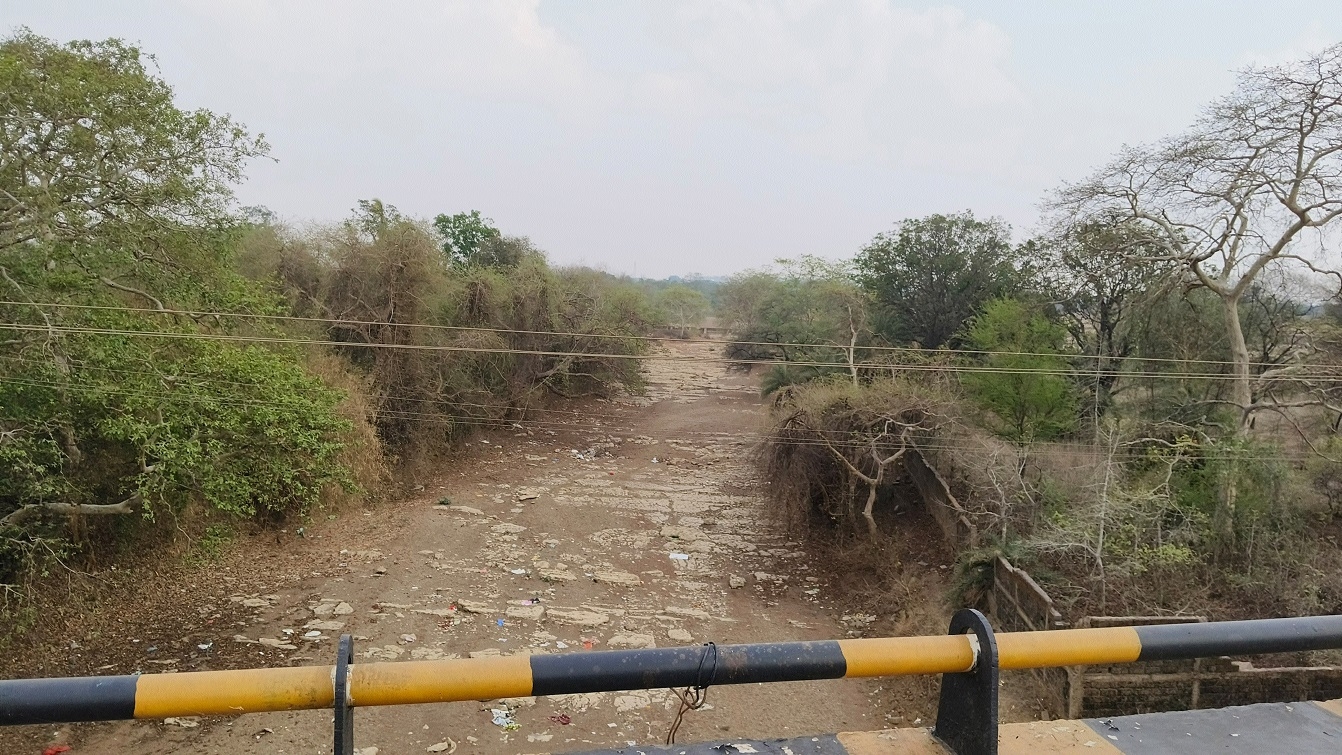
THE Kolhan Nala, once a lifeline for scores of villages in the Tilda and Dharsiwa region, has almost completely dried up, leaving more than a dozen villages in distress at the peak of the Rabi season. Once known to flow year-round, the stream now lies barren in many stretches — a victim of soaring temperatures
and a plummeting groundwater table. For generations, the Kolhan rivulet served not just as a key irrigation source but also as a disposal outlet and water haven for livestock and wildlife. Today, the situation is starkly different. Ponds have turned to dust, tube wells have run dry, and only patches of stagnant water remain in some parts of the nullah.
Villagers from the border areas of Dharsiwa and Tilda, who continue to rely on the nullah for their daily agricultural needs, are alarmed by its rapid depletion. “There was a time when Kolhan Nala carried enough water even during the harshest summers,” recalls an elderly farmer from a nearby village. “In years when monsoon failed, it kept our crops alive. Now, it's crying for a drop itself.”
The ecological fallout is visible as well. Birds and animals that frequented the banks for water are struggling, and the once-vibrant picnic spots and temple sites that lined Kolhan’s path have lost their sheen.
Once known for its furious flow during the rains and steady levels in winter, Kolhan's summer decline is not new -- but its severity this year is worrying. Environmentalists and farmers alike say that without intervention to revive traditional water bodies and restore the stream’s flow, the crisis will only deepen in the years to come.