Head constable can also now investigate offences in Mah
| Date :16-May-2025 |
MUMBAI :
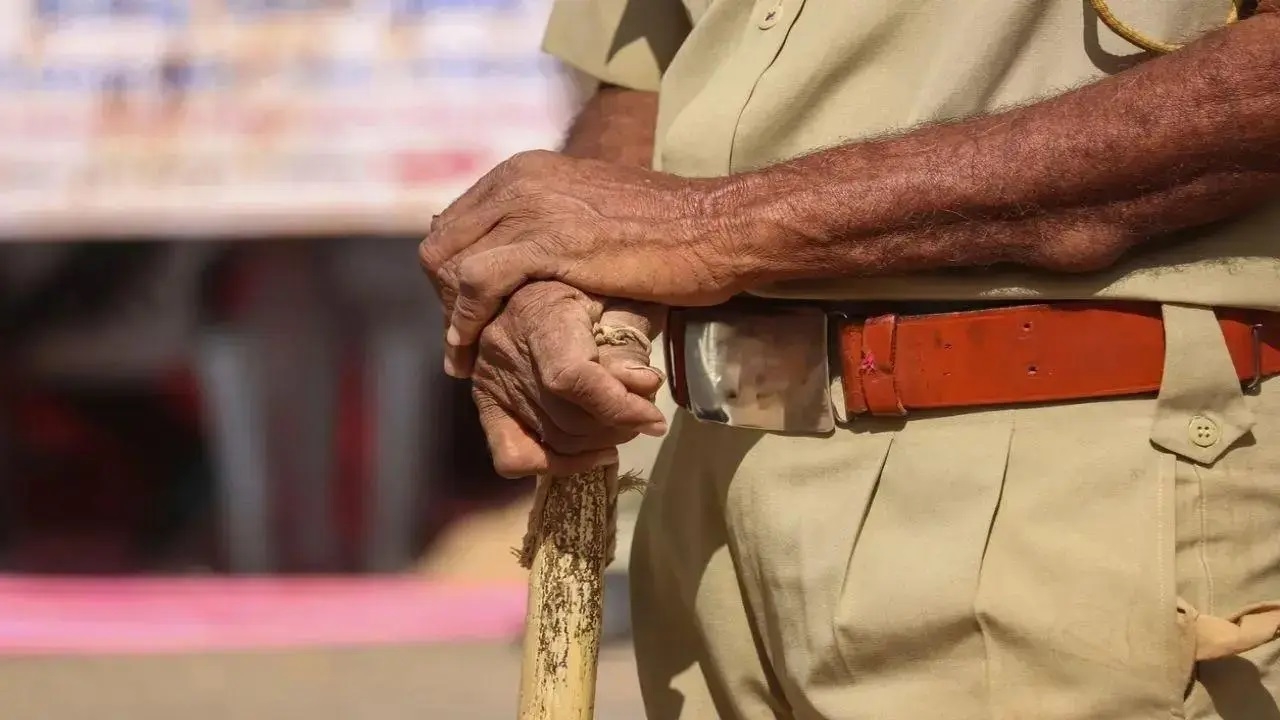
THE Maharashtra Government on Thursday issued a gazette notification whereby the police head constable can also now investigate the offence in Greater Mumbai and the rest of the state as per sub-section (1) of section 176 of the Bharatiya Nagarik Suraksha Sanhita, 2023.
Earlier, only senior police inspectors or sub-inspectors were empowered to conduct the investigation of offences. Section 176 outlines the procedure for investigation and its legal implications. As per the gazette notification the police personnel should be Head Constable and above; or Police Constable with degree, seven years of service as police constable and completion of six weeks of special training at Detective Training School, Nashik and passed the examination held in such training can hold an investigation.
In addition, there should not be any departmental inquiries pending against him.
Earlier, Chief Minister Devendra Fadnavis, who holds the Home Department, in February this year announced the full implementation of new criminal laws in six months.
He said that the Bharatiya Nyaya Sanhita (BNS), Bharatiya Nagarik Suraksha Sanhita (BNSS), and Bharatiya Sakshya Sanhita (BSS) would help establish a fast and progressive law and order system in the state.
“Twenty-seven mobile forensic vans have been deployed, and within the next six months, a complete network will be established. In cases where the punishment exceeds seven years, forensic testing will now be conducted on-site through these mobile forensic vans.
This will help gather high-quality evidence. Ninety per cent of Maharashtra’s two lakh-strong police force has been trained in these laws, and the remaining 10 per cent will complete training by March 31,” he said.
Fadnavis further stated that to ensure that accused individuals do not have to be physically presented in court repeatedly, new legal provisions allow for testimony to be recorded from prisons through dedicated cubicles connected to courts via online systems. Each court will have its own designated cubicle. This project is expected to be completed within six to eight months. This initiative will reduce pressure on police transport, enhance security, and minimise courtroom congestion.
“Under the new laws, repeated adjournments in courts will not be permitted, and government lawyers will need to be trained accordingly. The meeting provided valuable guidance, and Maharashtra will accelerate efforts to implement these three laws more effectively,” said Fadnavis.