‘Cashless treatment for accident victims demands urgent clarity’
22 May 2025 11:52:46
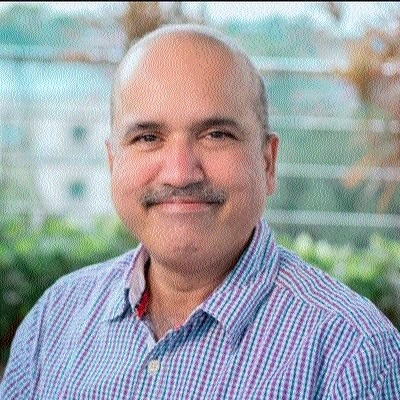
Staff Reporter
Raipur,
In a crucial development concerning trauma care accessibility, the Chhattisgarh chapter of the Association of Healthcare Providers – India (AHPI) has raised a formal appeal to the State Health and Family Welfare Department, seeking immediate procedural clarity over the implementation of cashless treatment for road accident victims. The appeal follows the circulation of an interdepartmental directive issued on May 19, 2025, by the Road Safety Lead Agency.
The letter, widely shared on social media, mandates cashless emergency treatment of up to Rs 1.5 lakh for road accident victims at any designated hospital within seven days of the incident.
Dr Rakesh Gupta, State President of AHPI, wrote to Health Secretary Amit Kataria (IAS), stating that while the government’s intention to support accident victims is commendable, the lack of defined processes and designated hospital lists could lead to operational confusion and delay in critical care.
“The directive has gone viral on social media without corresponding guidelines to hospitals. As per existing protocols, 108 ambulances cannot take critical patients to private hospitals unless pre-authorised. This gap needs urgent redressal in the revised guidelines,” said Dr Rakesh Gupta.
He further warned that, “If patients reach ill-equipped hospitals without clear protocol, there is a risk of conflict and chaos, which defeats the very purpose of timely trauma care.”
AHPI has strongly recommended that the Health Department publish a list of empanelled hospitals equipped for emergency trauma response and issue comprehensive standard operating procedures (SOPs) for all stakeholders — police, ambulance services, hospital administration-to coordinate effectively during the critical “golden hour.” The association also proposed joint consultations with hospital associations to finalise a workable model for statewide implementation. Until such systems are operational, AHPI cautioned against the premature rollout of guidelines in public domain. Dr Gupta urged that, “The complete procedural roadmap must be finalised and disseminated to all field agencies and then published in newspapers for public awareness, ensuring patients receive
uninterrupted emergency medical care.”