Jal Ganga Sanvardhan Abhiyan: Conserving traditional water sources for future generations
| Date :02-Jun-2025 |
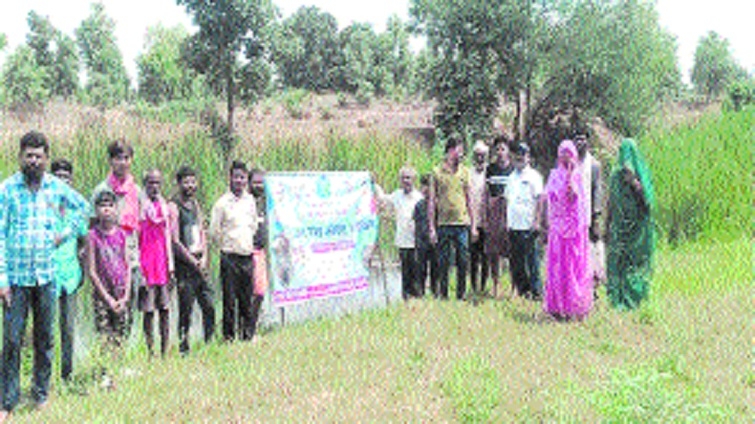
Citizens engaging in Jal Ganga Sanvardhan Abhiyan.
Staff Reporter :
Water is the essence of life, forming the foundation of human existence, with 70% of the human body composed of it. It is the cornerstone of health, balanced development, cleanliness, prosperity, and progress. Present in oceans, rivers, lakes, and ponds, water demands conscious efforts for its conservation to ensure the security of future generations.
Under the guidance of Chief Minister Dr Mohan Yadav, Madhya Pradesh has been actively implementing the Jal Ganga Sanvardhan Abhiyan since March 30, 2025, with the campaign set to conclude on Ganga Dussehra, June 30. This people-centric initiative focuses on constructing new ponds, restoring old ponds, stepwells, and wells, and cleaning rivers to promote water conservation across the State.
The campaign emphasises the restoration of ponds, water bodies, and temple-associated water structures of historical, cultural, and religious significance. Within a month, community-driven efforts have shown promising results. The early monsoon rains have already started filling newly constructed farm ponds, showcasing the campaign's immediate impact.
In Chhatarpur district, a 150-year-old stepwell in the Janki Niwas Temple complex in Bijawar was successfully restored through community participation and administrative coordination. Once a vital water source for the region, the stepwell had deteriorated due to neglect and lack of maintenance. Its revival marks a significant achievement in preserving traditional water sources.
In Shahdol district, the campaign has gained momentum with farmers actively participating in constructing farm ponds. Under the slogan, “Water is nature’s priceless gift, save it, for it is the foundation of life,” water conservation works are underway in every gram panchayat. In Budhar Janpad Panchayat, new farm ponds have been built in villages like Ghoghri, Gortara, and Kadahar.
Across the district, 1,673 water structures, including ponds, check dams, and stop dams, were identified for restoration. Of these, 918 structures have been deepened with public support, resulting in the extraction of 16,319 tractor-trolley loads of soil, which farmers have used to enrich their fields. Over 6,519 villagers participated, increasing the water storage capacity of these structures from 43.23 lakh cubic meters to over 1.15 crore cubic meters. This initiative has not only enhanced water conservation but also provided farmers with fertile soil for their fields.
In Neemuch district, the campaign has seen significant progress, with 721 out of 831 identified farm ponds currently under construction across 243 gram panchayats. The district collector has directed officials to expedite the completion of the remaining ponds. Additionally, 1,860 out of 1,900 approved well-recharge projects are in progress, with instructions to complete all within a week. The Water Resources Department in Neemuch has deepened 18 reservoirs with community participation, extracting 50,000 tractor-trolley loads (approximately 1 lakh cubic meters) of soil, which 900 farmers have used to fertilize their fields. Ponds in villages like Kawai, Nayapurana, Jiran, Kenpuria, Jamunia, Chamleshwar, and Baisala have been deepened, enhancing their water storage capacity and improving groundwater levels while boosting agricultural productivity.
In Damoh district’s Hinouti village, a historic stepwell near the Hanuman Temple was restored through community labor. Villagers cleared debris and unwanted vegetation, revitalizing the stepwell and restoring its functionality. Similarly, in Maihar district’s Amarpatan Nagar Parishad, an ancient stepwell was cleaned as part of the campaign’s efforts to restore traditional water sources.
The Jal Ganga Sanvardhan Abhiyan underscores the vital role of water in fostering cleanliness, prosperity, and sustainability. By reviving traditional water sources and constructing new ones, the campaign is ensuring water security for future generations while empowering communities to actively participate in conservation efforts. The collective efforts of citizens, farmers, and administrators are not only preserving Madhya Pradesh’s rich water heritage but also paving the way for a sustainable and prosperous future.