Mughal-era terminology still in use in government offices
Date :30-Jun-2025
By Manoj Sharma
KONDAGAON,
Administrative terms with Persian roots remain embedded in Chhattisgarh’s bureaucracy
LONG after the fall of the Mughal Empire and the end of British colonial rule, many administrative terms introduced during those periods continue to be used in government offices across Chhattisgarh. From revenue departments to tehsil offices, terms that once shaped the imperial bureaucracy remain an integral part of daily official communication.
In fact, officials often find themselves resorting to internet searches to understand or explain these archaic terms, which are unfamiliar to most citizens.
The persistence of such terminology highlights the deep-rooted influence of Persian and Urdu on India’s administrative vocabulary, especially in land and revenue-related matters.
Even today, office work in several branches is carried out under titles inherited from past regimes—words such as Kanungo, Wasil Baqi, Nazaarat and Arzi Navis are still commonly used, despite their historical origins.
Terms from the past still in practice include Kanungo, which originates from Persian. The Kanungo supervises Patwaris (village-level land record officers) and monitors land revenue records. This designation dates back to the Mughal period and was institutionalised by the British.
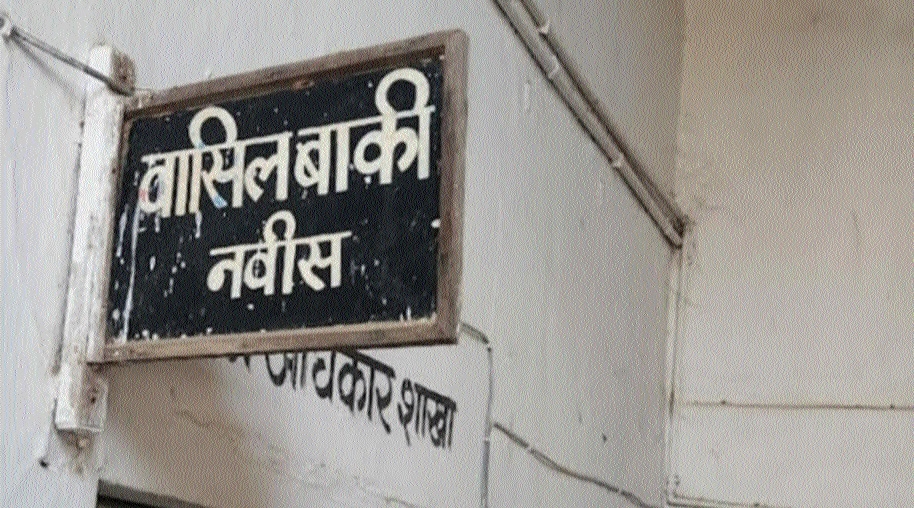
In the term Wasil Baqi Navis, Wasil Baqi refers to the recovery of pending revenue dues, whereas Navis means writer
or clerk in Persian. The post is held by an official responsible for maintaining accounts
related to revenue recovery, usually located in revenue or tehsil offices.
In the term Nazaarat Branch, Nazaarat implies confiscation or seizure. This branch deals with the management of properties seized or taken into government custody. The term, like others, originated in Persian/Urdu and remains in usage within administrative divisions.
These terminologies became prevalent during the Mughal era and continued into the 18th and 19th centuries under British rule. At that time, Persian was widely used in court and administrative work, leading to the adoption of many such terms. Even today, words like Navis, Nazaarat, Wasil Baqi and Kanungo remain part of the functional lexicon in departments such as revenue, tehsils, and collectorates.
Suggested Hindi substitutes for commonly used terms include-Arzi Navis – Prarthana Patra Lekhak (Petition Writer); Kanungo – Lekhapal (Legal Accountant); Nazaarat Shakha – Nigrani Shakha (Monitoring Section); Wasooli Navis – Vasooli Lipik (Recovery Clerk) and Wasil Baqi Bakaya – Rajasva Lipik (Outstanding Revenue Clerk).
When contacted, Tehsildar Manoj Rawte said that people often visit government offices and inquire about the meaning and role of various departments. “We try to explain things in simple terms so that the public can understand what kind of work is done in each section,” he said.
Sub-Divisional Magistrate (SDM) Ajay Oraon acknowledged the continued use of these traditional designations. “Yes, these terms are still used in tehsil and revenue offices as per the language of the land revenue code,” he added.