JNARDDC starts extracting pure silica from fly ash
| Date :05-Jun-2025 |
By Kaushik Bhattacharya :
The Jawaharlal Nehru Aluminium Research Development and Design Centre, Nagpur (JNARDDC)
has developed a process to extract pure silica from fly ash, a waste product of coal-fired power
plants, recently.
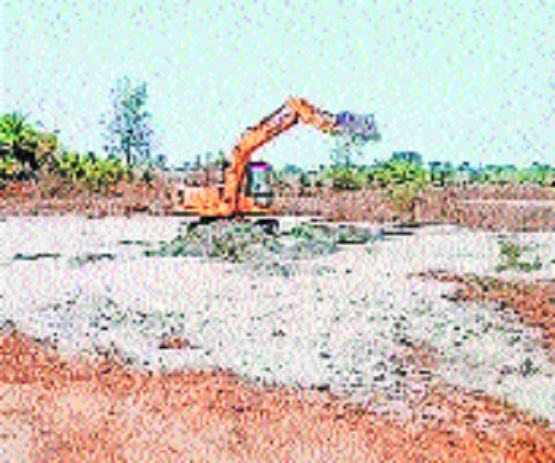
Coal based fly ash, which is a major threat to the environment as it polluting the water bodies, agriculture lands and the air, is normally dump in landfills near Thermal Power Plants. Nagpur city is a victim of fly ash due to Koradi and Khaperkheda Thermal Power Plants.
However, this revolutionary invention by JNARDDC in promoting zero waste will help to extract silica from the fly ash and it can be used in many sectors.
JNARDDC, with funding support from the Ministry of Mines, Government of India, undertook a pathbreaking project to extract high-purity silica (3N+) from coal
based fly ash (CFA) at a bench scale (0.5–1 kg) using mineral acid treatment.“India, with its vast coal reserves, meets a substantial portion of its energy demand through coal.
This results in the generation of over 200 million tonnes of CFA annually, which continues to accumulate and pose environmental challenges,” Dr Anupam Agnihotri, Director, JNARDDC told The Hitavada. “CFA typically contains 27–31% alumina, 56–60% silica, and 9–13% other oxides. Silica, especially in its pure form, is an indispensable material for structural applications, semiconductors, microelectronics, and the food and pharmaceutical industries. Recognising this immense potential, we successfully established a cost-effective process capable of producing pure silica valued at Rs 500–700 per kg, along with aluminium fluoride essential for aluminium smelting,” said Dr Agnihotri. This process involves dissolving fly ash in mineral acid, heating it, and then condensing silica vapours to produce high-purity silica.
This eco-innovative technology has now been transferred to an engineering firm under the Science and Technology - Promoting Innovations in Individuals, Start-ups and MSMEs (S&T PRISM) scheme for increasing to pilot scale of 100 kg CFA, informed the Director.
“With CFA in India containing an estimated 60 million tonnes of silica and 60 million tonnes of alumina annually, this innovation holds the potential to replace primary resources while drastically reducing environmental degradation caused by mining,” said Dr Agnihotri.