Finally, toxic waste from Bhopal plant completely incinerated
| Date :01-Jul-2025 |
Senior Special
Correspondent
BHOPAL
After a slew of debates, discussions, protest and scientific approval process, the disposal of 307 tonnes of toxic waste from the Union Carbide Plant in Bhopal, still in the memory of gas tragedy victims, now is completely over. Notably, the Madhya Pradesh High Court had issued directives in this regard earlier to dispose it in maximum 72 days.
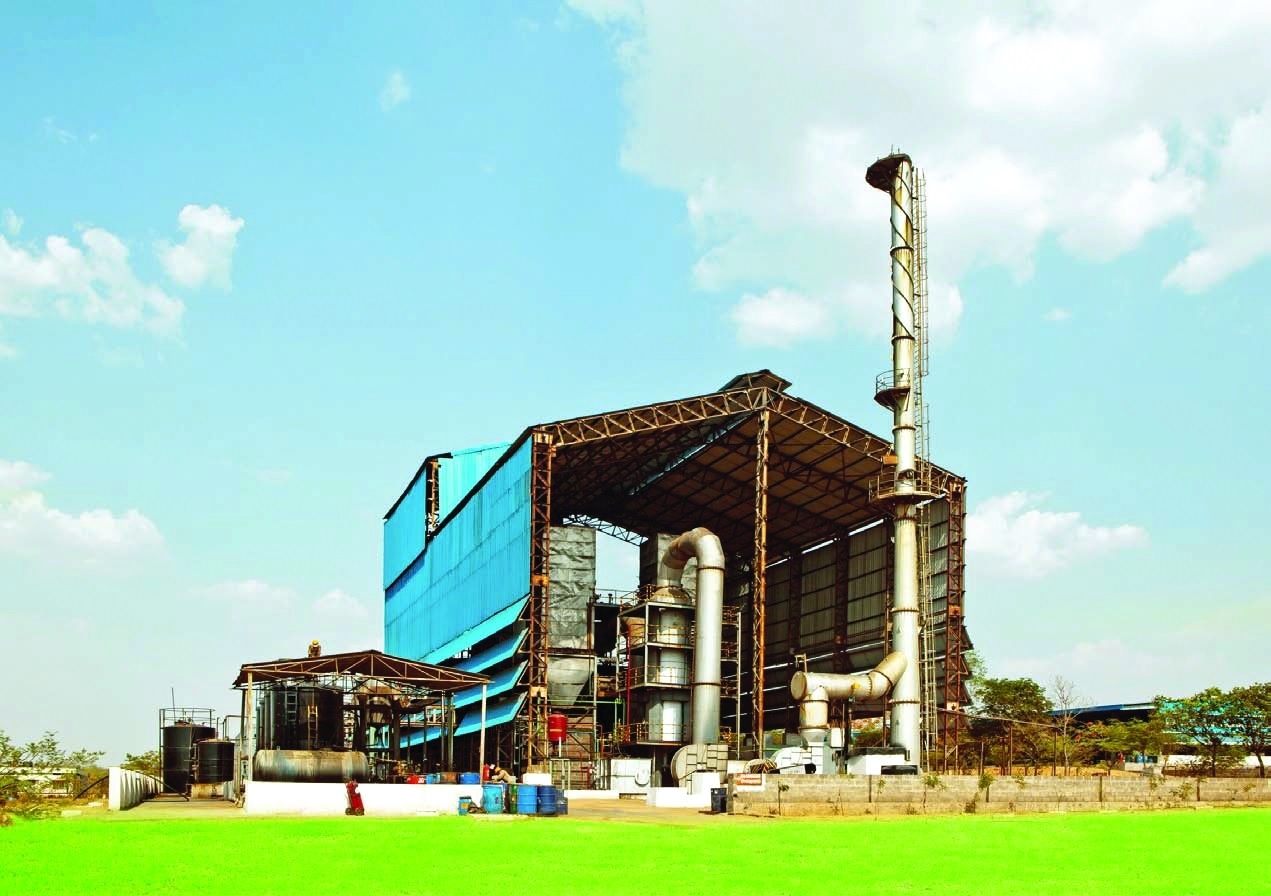
“The process, which began from evening of May 5 was completed on June 29 evening,” a senior officer in the Madhya Pradesh Pollution Control Board told. It was burnt at a
private facility in Pithampur (Dhar district) near Indore amid protest by the local residents.
According to the experts, the incineration proceeded at a steady rate of 270 kilograms per hour at the facility, with environmental safeguards firmly in place.
A continuous online monitoring system had been installed to track emissions, ensuring compliance with pollution control regulations. To further mitigate environmental risks, experts are closely observed four key pollutants, particulate mercury, heavy matter, hydrogen chloride, sulphur dioxide, and carbon monoxide, emitted during the burning process along with air quality monitoring stations had been deployed at three locations across Pithampur. Monitoring system at Tarpura, Chirakhanhad and Bajrangpura have been installed.
The tragic and one of the world’s worst disaster, the Bhopal gas tragedy had claimed the lives of thousands of people and left several others crippled when a poisonous gas, methyl-isocyanate, leaked from the factory on the intervening night of December 2-3, 1984. Denizens of Bhopal raised concerns over toxic waste was lying in the factor for more than 40 years.
There were attempts to transport the waste to Pithampur, an industrial town near Indore, but due to protest and environment reasons it could not be materialise before January this year.
As per the court’s directives, its
disposal was initiated in a phases
manner.