IBA seeks Rs 10,000 per unit subsidy for household biogas plants
14 Jul 2025 12:32:25
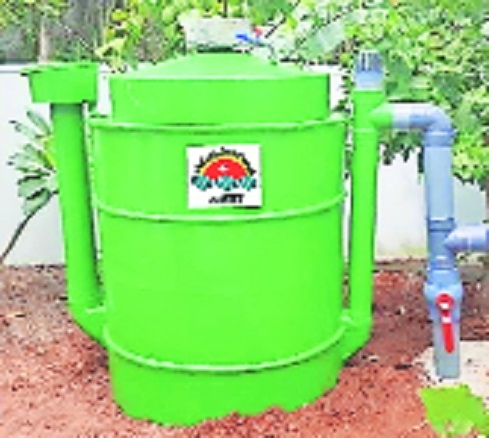
INDIAN Biogas Association has pitched for a scheme to provide Rs 10,000 per unit subsidy for reviving 50 lakh biogas units, which are ready with basic infrastructure, saying it can spur mass adoption of the cleaner fuel, especially in rural India.
Indian Biogas Association (IBA) Chairman Gaurav Kedia told PTI that the overall Government spend on the scheme would be Rs 5,000 crore, which could be recovered in two years.
He stated that IBA has called for the Government to lead a bold, forward-looking attempt to support 50 lakh biogas units across the country. Infrastructure for these units is already in place and incentives are needed to spur mass adoption in rural India, he noted. A focused, mission-driven approach like Swachh Bharat Abhiyan can deliver meaningful results in this direction.
Most of these systems are underutilised or idle because of insufficient funding, maintenance, and long-term incentives.
“It is high time we move from potential to performance and convert biogas into a real household fuel of the future. IBA calls for a policy revolution to make biogas systems not only accessible but rewarding,” he said.
As under the Swachh Bharat Mission (Gramin), where the Government of India provides a subsidy of Rs 12,000 to eligible rural households for constructing individual household toilets (IHHL), a similar model could be considered for reviving small biogas plants, assuming a revival cost of approximately Rs 10,000 per unit, he suggested. He informed that the IBA will propose to the Government a one-time grant of Rs 10,000 per plant to restore non-operative units to bring dead assets to life, increase clean energy production and enhance the return on public and private sector investments.
Given that rural biogas plants can substitute the subsidised LPG cylinders being provided to rural households (12 cylinders per year at Rs 603 per cylinder under the Ujjawala Yojana), Biogas can replace free LPG cylinders each year and could help save around Rs 3,618 crore per year -if all these 50 lakhs biogas plants become functional, he pointed out.
This provides the assurance of continuous cooking fuel, enhances user confidence, and promotes large-scale acceptance by minimising the perceived risk of using biogas alone, he noted. Kedia suggested that the quarterly maintenance check-ups should be implemented by the Government on biogas units to provide them with long-term viability and smooth operation.
As most breakdowns occur due to minor, avoidable faults, regular check-ups will make plants operate at peak efficiency and enhance user satisfaction, he suggested.