Teaching Kids Rainwater Harvesting
17 Jul 2025 10:54:33

By Raajwrita Dutta :
Have you ever stood at the window on a rainy day and watched the raindrops race down the roof, wondering where all that water ends up? Most of it normally disappears down the drains, but what if you could catch it and put it to good use in your garden instead?
Rainwater harvesting is an easy and brilliant way to do just that. It saves water while giving children a practical lesson in nature, responsibility, and sustainability, turning a rainy day into a fun and meaningful family activity. Let me take you on a journey to discover how you can start harvesting rainwater at home and how children can get involved in every step, making it both fun and educational.
What is rainwater harvesting?
This is an eco-friendly practice, reduces your reliance on tap water, which can save money and ease pressure on water supplies, especially during dry spells. Plus, rainwater is free from many chemicals found in other water sources, making it better for plants and gardens.
Why get kids involved?
Children are naturally curious about the world, and rainwater harvesting turns something as ordinary as rain into a fascinating science and nature lesson. Kids can learn how water cycles through the environment, why it is important to save water, and how their actions can help protect the planet.
Starting your rainwater harvesting project
Choose where to collect the rain
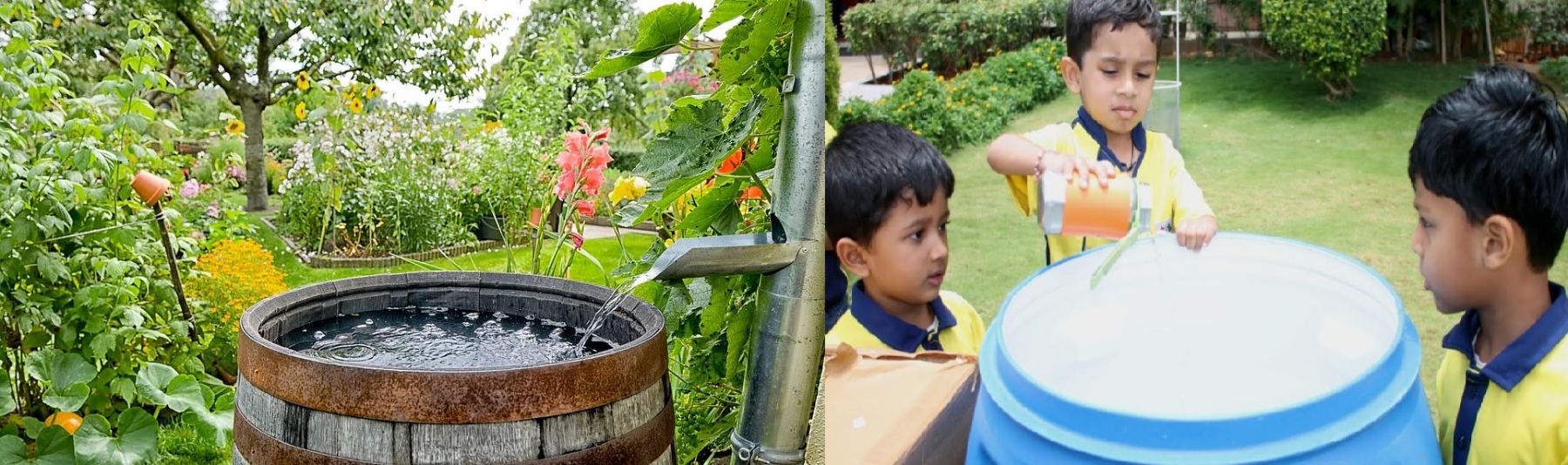
The best place to start is your roof. When it rains, water naturally flows down the sloping roof, into gutters, and through downpipes to the ground. By placing a water butt under a downpipe, you can collect a large portion of this water very easily. It is important to pick a sturdy and level spot for the water butt, a place close to the downpipe to avoid water splashing everywhere and to make sure the setup is safe and stable.
Setting up the water butt
Water butts are large containers designed specifically to hold rainwater. They can be made of metal or wood and come in various sizes, from small barrels to large tanks. Attach the water butt to the downpipe. If you can, use a diverter kit, this redirects water from the downpipe into the butt, but also lets overflow continue down the drain once the butt is full. This keeps everything neat and avoids flooding.
Get creative: Fun ways for kids to join in
Here is where the project becomes fun and comes alive for children:
Decorate the water butt:
Let kids paint their water butt with bright colours, flowers, insects, or their favourite garden animals. It becomes something they love to see and care for.
Make a rain gauge:
Use a bottle marked with measurements. After each rain shower, kids can check how much rain falls. It is a simple and fun way to learn about the weather.
Build a rain funnel collector:
Attach a funnel to a jar or bottle to catch rain directly. Children can watch the water level rise after every shower, making the invisible rain cycle visible.
Create a mini rain garden:
Set aside a small area in the garden where collected rainwater is directed. Kids can plant flowers or herbs that love water, seeing the direct benefits of their efforts.
n