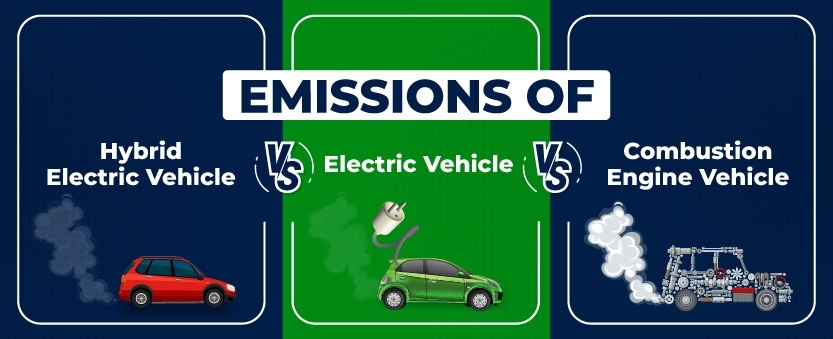
Which technology is cleanest? NITI Aayog examining lifecycle emissionsof electric, hybrid, conventional vehicles
| Date :29-Jul-2025 |
NEW DELHI :
AS AUTOMAKERS deliberate upon whether EVs
or hybrids should receive Government subsidies,
NITI Aayog has likely started examining the
lifecycle emissions of electric, hybrid, and conventional vehicles to determine which technology is the cleanest.
Further, NITI Aayog Chairman BVR
Subrahmanyam reportedly told industry leaders
to stop expecting any more subsidies.
The vehicle manufacturers said while the
Government can discontinue the subsidies on
two-wheelers or three-wheelers under the PM EDRIVE scheme by 2026, the Centre should persuade states to lift the limitation on permits on
commercialvehicles,accordingtomultiplereports
on Monday.
Statescurrentlycaphowmanycommercialvehiclepermits-- especially for electric two- and threewheelers -- can be issued in particular states or
cities.
Industry leaders believe that these restrictions hinder the sale of commercial vehicles.
India has implemented several subsidy programmestopromotecleanermobility,mostnotably
Faster Adoption and Manufacturing of (Hybrid
&) Electric Vehicles (FAME-II).
Under the PM Electric Drive Revolution in
Innovative Vehicle Enhancement (E-DRIVE)
scheme, which began on October 1, 2024, the
Centre has allocated Rs 10,900 crore for subsidies
to EVs, but Maruti Suzuki, Toyota India and
Honda want to extend similar benefits to
hybrids,arguing thathybrids arecleanerthanconventional vehicles.