As MSU gets ready, NMC to focus synergy on One Health Policy
28 Aug 2025 12:23:45
By Sagar Mohod :
BSL-2 bacterial lab is being set up at KT Nagar UPHC, and it will play an important role in monitoring urban health parameters
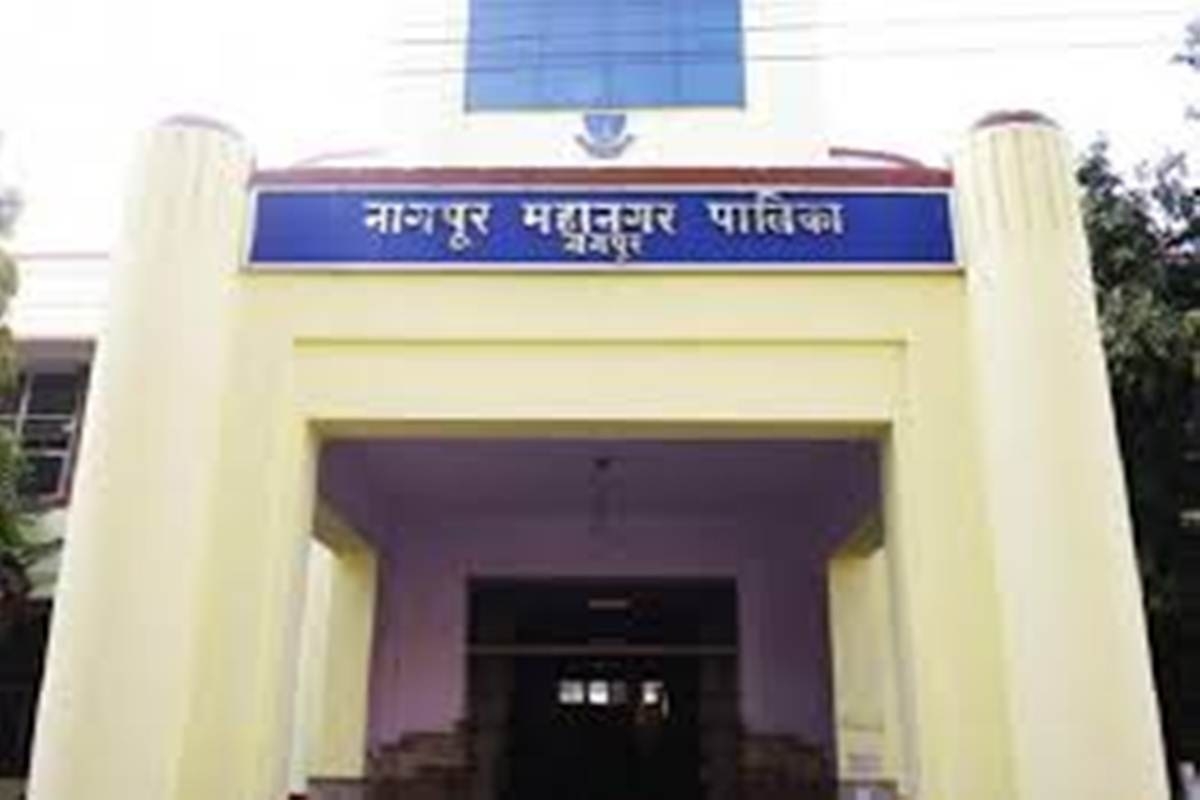
With biosafety level-2, a bacterial lab set to start its work soon, Nagpur Municipal Corporation (NMC) is gearing up for the implementation of the One Health concept to map outbreaks of diseases in urban environments. The idea denotes combining synergies of experts drawn from departments of Medical Health, Animal Husbandry, Environment and Water Resources. They will function jointly under the Metropolitan Surveillance Unit (MSU) that has been set-up at the KT Nagar Urban Public Health Centre (UPHC) of the civic body.
The basic premise of One Health is that there is interdependence as to the health of humans, animals (domestic and wild), and plants, and also the wider environment; they are closely linked. That calls for exhaustive studies to prevent any sudden outbreak of diseases that often causes disturbance in society. Particularly the idea of MSU gained strength post Covid-19 pandemic, which had a ripple effect the worldover and at one point of time almost brought humanity to standstill. In the entire gamut, the role of the BSL-2 lab would be most important, as the analysis of samples drawn up from the ground would throw up data for analysts to deduce the impending outbreak.
Lessons from Covid-19
As is well known, it is believed the Covid-19 emerged from bats, and from them it affected the humans, and the destruction and loss to nations due to the pandemic still send shivers down the spine.
Hence, to prepare better for the future, the One Health concept has evolved. Since NMC is mandated with monitoring of Urban Health, the BSL-2 lab will play an effective role in rolling out quick solutions to tackle such emergencies before they spiral out of control.
Role of AI and Biologists
And since there is going to be extensive use of AI, the Biologist along with investigators, would be able to map any new disease or bacteria and its potential to inflict damage and suggest steps to stem its rise in time, stated Dr Selokar further while talking to The Hitavada.
As to the working he explained that as it is known that during monsoon, cholera outbreaks are quite common. Earlier in such circumstances each of the department used to function individually. Now it is decided that all the departments would sit together and act on the information from local doctors, from media or from citizens' representatives.
The water samples would be collected to analyse the cause and map the area where it can spread with the help of technology and take preventive steps before it spirals out of control.
Similar approach would also be taken in case of involvement of zoonotic diseases or bacteria germinating from climate change effects. One Health's main aim is to balance and optimise the health of people, animals, and ecosystems.
Collab across Sectors
The same will be done by addressing health challenges that transcend these boundaries, said experts in the field. It would promote collaboration and communication between different stakeholders, including human health professionals, veterinarians, environmental scientists, policymakers, and community members.
Mainly the pre-warning from lab analysis would help planners to focus their energy to combat any outbreak before it assumes dangerous proportions. Added Dr Selokar in the long term, the predictive element of research would be most helpful, as the same would help in concentrating on that particular area.
Experts said the environment is now a key element, as many diseases can spread through it, and One Health will help identify the root causes and help in better planning and control through a calibrated response.