Kanhan river most polluted in Vidarbha: MoS Kirti Vardhan Singh in Rajya Sabha
05 Aug 2025 12:02:18
By Kunal Badge :
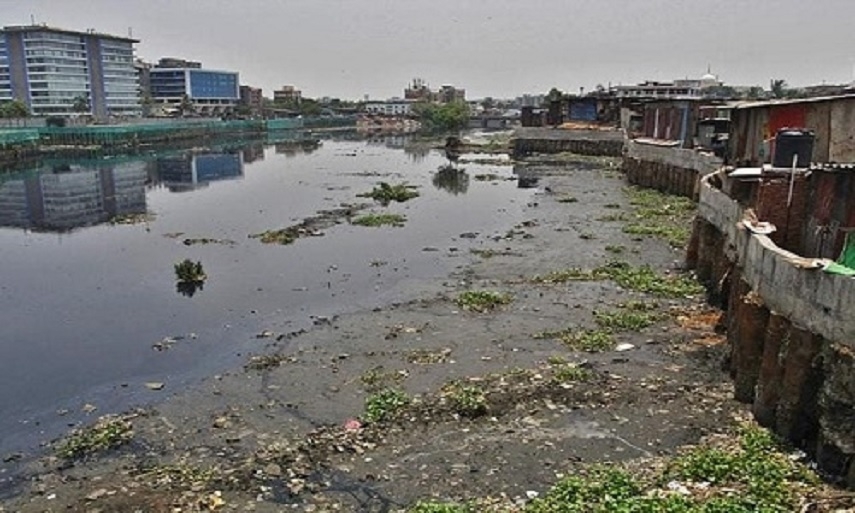
Once pristine, Kanhan River has now gone from bad to worse in regard to water pollution and has emerged as most polluted river in Vidarbha. Kirti Vardhan Singh, Minister of State (MoS) for Environment, Forest and Climate Change (MoEF&CC), has informed in a written reply in Rajya Sabha that stretch of the river from Parseoni to Kuhi in Nagpur district is in ‘Priority Class II’ of the polluted rivers list.
According to Indian standards, water with Biochemical Oxygen Demand (BOD) above 5 milligrams per liter (mg/l), is considered unsafe for human use, including drinking, bathing and other domestic chores.
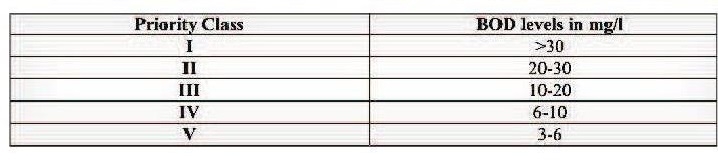
Whereas, the BOD of the water in that particular stretch of the river is between 20 to 30 mg/l, which is above the prescribed standards.
The information came as an answer to a question by Rajya Sabha MP from Kolhapur Dhananjay Mahadik where he asked the Ministry information regarding the current status of air and water quality in major cities and industrial areas of Maharashtra. In his answer, the minister identified a total of 55 ‘Polluted River Stretches’ (PRS) in the State for the year 2022.
The PRS is classified in five priority classes based on BOD that is monitored by Maharashtra Pollution Control Board (MPCB) at 252 locations, in association with Central Pollution Control Board (CPCB), which has established a National Water Quality Monitoring Network (NWMP) for assessment of water quality of aquatic bodies in the country.
Along with Kanhan river, other PRS identified in Vidarbha by the minister include Kolar river along Waregaon (Class V); Morna river along Akola (Class III); Purna river stretch from Asegaon to Akola (Class IV); Wainganga river stretch from Tumsar to Ambhora (Class III); Wardha river from Pulgaon to Rajura (Class III); and Wena river along Hinganghat (Class IV).
While talking to ‘The Hitavada’, Hema Deshpande, Regional Director, MPCB, has stated that the Board is committed to reducing the pollution in the river and is actively implementing an action plan to clean Kanhan River. “We are positively co-ordinating with industries and local bodies to restrict releasing industrial waste and sewage in the river to keep it clean. The localities on the bank of the river are encouraged to manage their waste management so that it does not get discharged in the river directly,” said Deshpande.
Even though the MPCB has prepared the action plan, its implementation is a responsibility of the local bodies by establishing sewage treatment and
solid waste treatment plants to ensure that the river remains clean.
The delay in the establishment of sewage treatment plants (STP) has resulted in river water remaining unhealthy for human use, she added.
“Along with industrial waste, increased chemical content in domestic sewage by increased use of detergents, toilet cleaners and others in households are also adding to the chemicals content being discharged in river,” said Deshpande, while explaining the possible causes of increased pollution in the river. “The increased use of chemical fertilisers in agriculture sector is also a cause of concern as these fertilisers directly mix with river water during rainy season,” added Deshpande.
While the Government’s efforts to clean Naag river since many years is yet to bear fruit, the revelation of pollution of Kanhan river by the Minister of State is a cause of concern that needs immediate action on the part of authorities.