Seven months on, Urban Haat Centres yet to materialise
| Date :08-Aug-2025 |
Staff Reporter :
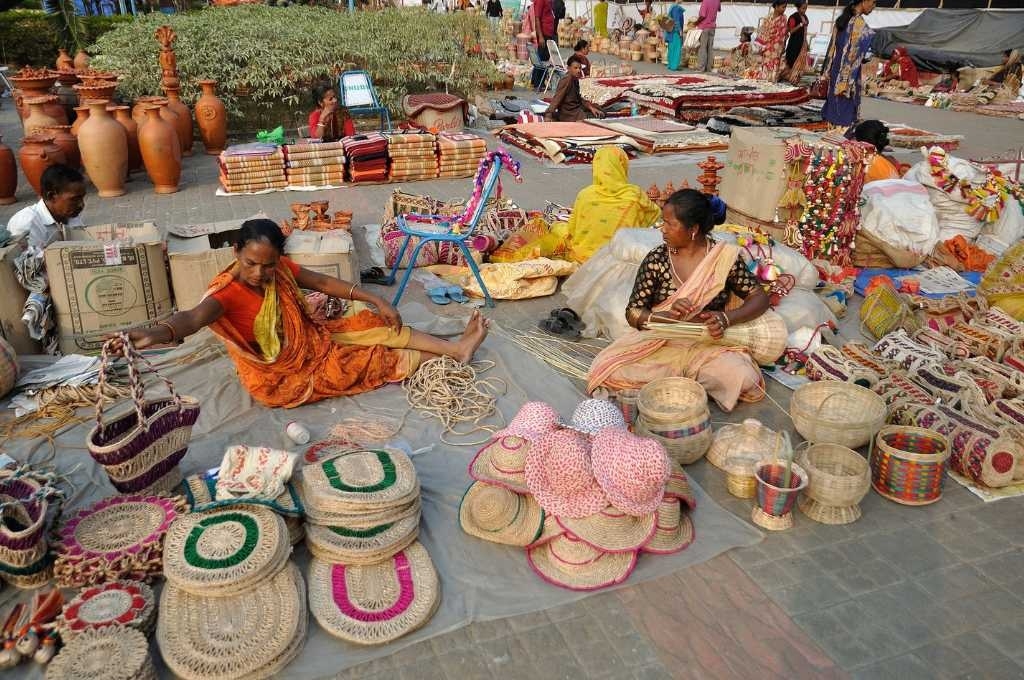
With the Urban Haat model, the State was hopeful of creating urban spaces where
artisans can showcase their products and
also directly interact with consumers
It has been about seven months since the Government of Maharashtra announced establishment of Urban Haat Centres in Nagpur and other major cities under its Integrated and Sustainable Textile Policy 2023-28. Yet, despite this announcement, no concrete action plan or implementation timeline has emerged.
The Urban Haat Centres are envisioned as part of a larger mission to revive and strengthen Maharashtra’s rich handloom and handicraft heritage. The policy, aligned with the Central Government’s National Handloom Development Programme (NHDP), seeks to provide long-term support to traditional craftspeople through better infrastructure, direct market access, and promotional
efforts. With the Urban Haat model, the State was hopeful of creating urban spaces where artisans can not only showcase their products but also directly interact with consumers.
These centres are planned to be set up in cities like Nagpur within an 8-kilometre radius of the city centre, ensuring ease of access and visibility.
According to the policy, the infrastructure would include at least 70 to 80 stalls, dormitories, a food court, storage facilities, souvenir shops, and open stages for cultural events. Additionally, buildings would reflect local architecture and offer space to artisans, NGOs, and tourism boards on a rotational or seasonal rental basis. Shankar Ablankar, an official from the Maharashtra State Handloom Corporation in Nagpur, told ‘The Hitavada’ that while preliminary
steps have been taken such as submitting requirements and necessary documents to the State Government, there has been no follow-up from the authorities.
“Currently, there are several challenges faced by handlooms and artisans, so hopefully these Urban Haat Centres would bring needed fundings and help in reaching more people,” Ablankar said.
While the intention behind the Urban Haat Centres is commendable, providing direct sales opportunities, boosting product quality, and preserving traditional crafts, but currently, artisans are struggling with dwindling incomes and limited market access. If implemented properly, Urban Haat Centres could transform the livelihoods of weavers and artisans by offering them reach and revenue.