Bhopal’s suicide prevention cadre: 350 ‘Mitram’ gatekeepers saving lives
Date :10-Sep-2025
Staff Reporter :
In a pioneering initiative by the Madhya Pradesh Health Department under the National Health Mission (NHM), a cadre of 350 trained individuals, comprising Government health workers and community volunteers, has emerged as a quiet force against suicide in Bhopal. Known as ‘Mitram,’ these gatekeepers are helping prevent 20 to 30 suicides every month through early identification and timely intervention.
The Mitram cadre includes ASHA workers, ANMs, community health officers, and citizens from various walks of life. Each member undergoes a one-day training to recognise symptoms of depression and suicidal tendencies. Once trained, they act as frontline mental health responders, identifying at-risk individuals and referring them to district mental health centres for expert care.
Clinical Psychologist Dr Rahul Sharma, based at JP Hospital, said, “We’ve trained 350 people in Bhopal.
They’re equipped with a toolkit to spot signs like social withdrawal, persistent negative speech, or sudden silence. If they suspect someone is at risk, they offer primary mental health support and bring them to us.”
This support includes empathetic listening, reassurance, and connecting individuals to professional help. “If someone is suicidal, even a two-minute conversation can change their mind. That’s where Mitram becomes crucial,” Dr Sharma added. According to the National Crime Records Bureau (NCRB), Madhya Pradesh reported 15,386 suicides in 2022, averaging nearly 42 deaths per day. Bhopal alone saw 527 cases last year. Experts say community-based intervention is key to reversing the trend.
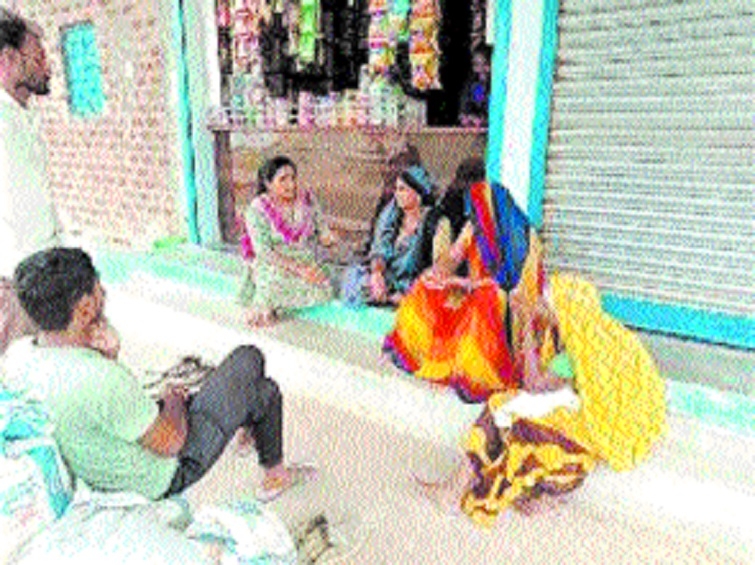
Khushboo Yadav, a health worker and Mitram at village Raipur Arogya Mandir, has become a vital link in her village, where five suicides were reported last year.
“I’ve informed villagers through panchayat and gram sabha meetings that if anyone shows symptoms, they should come to me. I identify 3-5 such cases every month and refer them to the district hospital,” she said.
With suicide rates rising, the health department plans to expand the Mitram network across districts. “This is the need of the hour,” Dr Sharma said. “Mitram volunteers are not just saving lives, they’re restoring hope in communities that need it most.”
Doctor Raises alarm on police mental health: Dr Satyakant Trivedi, senior Psychiatrist and author of ‘Overthinking Se Azaadi’, Bhopal’s suicide prevention cadre: 350 ‘Mitram’ gatekeepers saving lives
Contd from page 1
has voiced serious concern over the mental health crisis brewing silently within police force. “We often expect police personnel to be emotionally invincible,” he says, “but behind the uniform is a human being battling stress, trauma, and isolation.”
In his public awareness campaigns and writings, Dr Trivedi questions the systemic neglect of psychological well-being in law enforcement. He highlights how long working hours, exposure to violence, lack of emotional outlets, and stigma around seeking help contribute to rising cases of depression and suicide among officers.
Warning Signs of Suicidal Tendencies: Talking about death or expressing hopelessnessWithdrawing from social interactionSudden mood swings or irritabilityGiving away possessions or saying goodbyeReckless behaviour or substance abuseHigh-Risk Groups:Youth aged 18–30Individuals with chronic illness or disabilityThose facing financial or familial stressVictims of domestic violence or addictionPrevention Tips:Encourage open conversations about mental healthAvoid judgement and offer emotional supportConnect individuals to professional help earlyPromote awareness through community outreach