Safety, access to corporators, education dominate expectations of women voters
16 Jan 2026 12:01:48
By Simran Shrivastava :
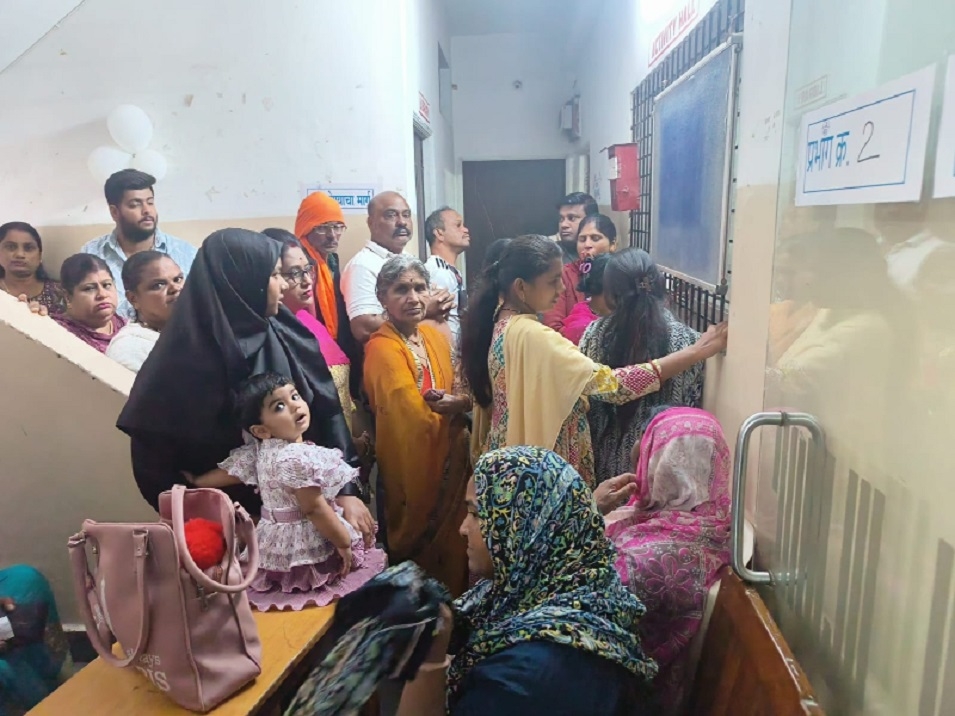
During the Nagpur Municipal Corporation (NMC) elections held on Thursday, women voters formed large parts of the crowd across most polling booths. They emerged as significant contributors, participating with high hopes and clear expectations from the elected corporator. Women shared the drive behind their votes as accountability of local leadership in the issues below.
Demand for direct access to
corporators and accountability
Reema Jogani, a homemaker, shared how corporators in earlier days used to actively seek feedback from residents. She lamented that this connection weakened over the years, leaving citizens unable to even contact their own corporators. According to her, there should be clear and direct channels to reach corporators, along with the ability to escalate unresolved issues to higher levels when no solution is provided.
Mixed experiences on
safety, civic facilities
Shipra Jogani, a lawyer and resident of Khamla, said she was satisfied with the safety arrangements in her area. She cited functional CCTV cameras and working streetlights in her area. “I hope that these kind of facilities are continued in the coming term,” she expressed her hope.
However another woman voter, who chose to remain anonymous, presented a contrasting picture. She expressed her worry that many parts of Nagpur lack CCTV coverage and have non-functional streetlights, which makes night travel unsafe. She pointed out that several women travel late at night for work and are forced to walk through poorly lit roads, which creates constant fear and insecurity.
Women seek focus on
core civic, social issues
A Homemaker from Pande Layout said she expects the next corporator to prioritise issues directly affecting women, including safe roads, reliable public transport, accessible health care, and responsive grievance redressal systems. She remarked that women voters want action rather than assurances.
Education, women-specific
transport needs highlighted
Devangana Patle, a maid, raised concerns about children living in poverty being deprived of basic education. She asked a question to ponder upon. “Are economically weaker children considered less deserving of education than those from affluent backgrounds?”, she asked. Speaking on women-specific issues, she said many women are compelled to travel late at night for work using unsafe modes such as walking, personal two-wheelers, or crowded public buses. She suggested introducing women-only buses. “Such a measure would significantly improve safety and provide peace of mind to working women and their families”, she expressed.