Dyslexia may be invisible, but its struggles are Real
| Date :05-Jan-2026 |
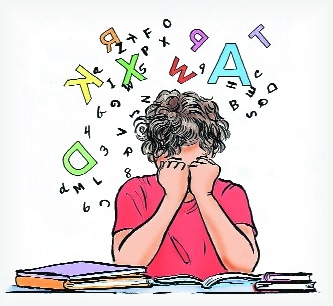
Dyslexia isn’t taken as seriously as it should be. Too often dismissed as carelessness or lack of intelligence, dyslexia, sometimes referred to as ‘word blindness’, is in fact a recognised learning disability that profoundly affects reading, writing and comprehension. It is not a reflection of one’s intellect, but rather a difference in how the brain processes language.
Dyslexia manifests differently in each individual. For some, it means difficulty decoding words; for others, it affects spelling, writing fluency, or even memory for sequences.
What unites these experiences is the challenge of learning and understanding in ways that diverge from conventional expectations. Globally, dyslexia affects at least 10 percent of the population, making it one of the most widespread learning disabilities. Yet, despite its prevalence, countless students remain undiagnosed, their struggles overlooked or misinterpreted. This invisibility is part of the problem: Dyslexia does not announce itself with obvious signs and so many live with it.
I speak not as a specialist, neither an educational psychologist nor a speech-language pathologist, but as someone living with dyslexia. I was diagnosed at the age of 21, after years of confusion, frustration, and judgment. My mistakes were often ridiculed. People laughed, called me “uneducated” or assumed I was “stupid.” When I explained that I was dyslexic, many dismissed it as an excuse for failure. But dyslexia is not an excuse. It is a condition that shapes how I interact with words, ideas, and the world. Every “silly” mistake carries the weight of a neurological difference, not a lack of effort or intelligence.
The casual dismissal of dyslexia is not only hurtful, but it also perpetuates stigma and denies individuals the dignity of being understood.
Dyslexia is an invisible disability, but its consequences are tangible. There is no medication for it, nor can it be completely cured, but with the right strategies and support, individuals can learn to manage its challenges and thrive. Without proper recognition and intervention, however, people with dyslexia continue to face barriers in education, employment, and social life. The lack of awareness leads to delayed diagnoses, inadequate accommodations, and emotional harm.
Taking dyslexia seriously means committing to early identification, raising public awareness, fostering empathy and inclusion, and advancing strong policy advocacy.
Schools must screen for dyslexia and provide tailored support. Society must understand that dyslexia is not a sign of laziness or a lack of intelligence. Instead of ridicule, individuals deserve patience, respect, and encouragement. Governments and institutions must ensure accessibility in both education and workplaces, creating environments where dyslexic individuals can succeed.
Dyslexia is not a personal failing, but a neurological reality. To dismiss it is to deny millions of people the opportunity to reach their potential. As someone who has lived with dyslexia, I know the pain of being misunderstood, but I also know that awareness and compassion can transform lives. It is time to treat dyslexia with seriousness it deserves, not as an excuse, not as a stigma, but as a condition that requires recognition, support and respect. Only then can we build a society where differences in learning are not punished, but embraced as part of human diversity.
By Sharayu Chopde
Anjuman College of Engg
& Technology