Tea industry seeks policy support
Date :16-Feb-2026
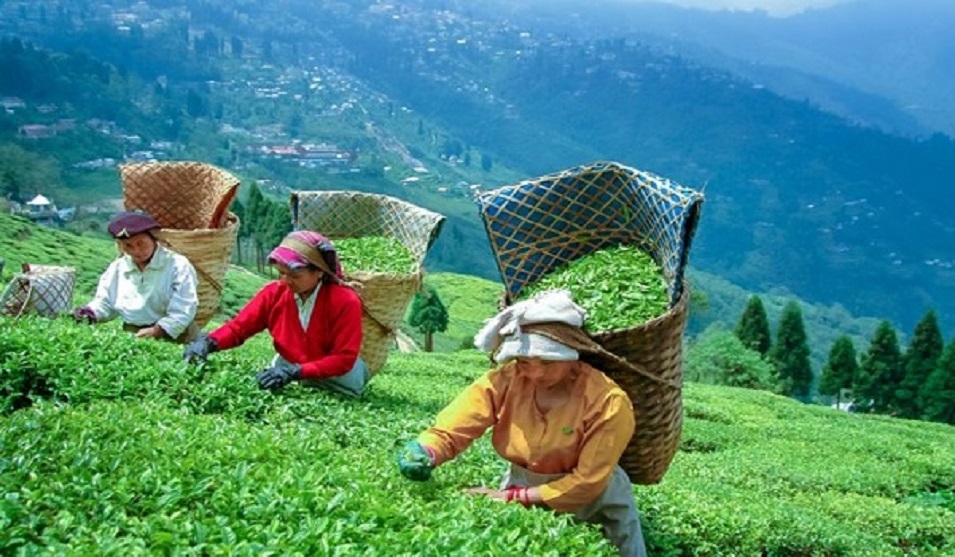
India's tea industry is facing mounting financial stress due to rising input costs, stagnant prices, labour shortages and climate-related risks, prompting planters to seek policy support and structural reforms to sustain operations, industry representatives said.
“Many estates were being forced to sell tea below cost, leading to higher borrowings and financial strain. Unless we produce high-quality tea and fetch remunerative prices, sustainability is impossible,” Uttam Chakraborty, Chairman of the North Bengal branch of the Tea Association of India, said.
He noted that wages account for nearly 60 per cent of production cost, making the sector highly sensitive to wage revisions and input inflation. Costs of fertilisers, coal, pesticides and electricity have risen sharply in recent years, with power expenses alone estimated at about Rs 10-11 per kg of made tea.Shailja Mehta, President of the association, said the industry was grappling with a long-term mismatch between cost escalation and price growth. “It is important that harmony is reached between the cost of production and price realisation,” she said, calling for a minimum sustainable price mechanism to ensure producers receive viable returns.
She highlighted the sector's economic importance at a recent North Bengal chapter AGM, stating that the tea ecosystem in the northern part of West Bengal supports around 32 lakh people, or roughly 28 per cent of the region’s population.
Industry officials said labour availability has become a major operational challenge, with some estates reporting absenteeism of 25-50 per cent during peak production periods.