‘India has lowest US tariffs amongothers, agri-dairy fully protecte
| Date :08-Feb-2026 |
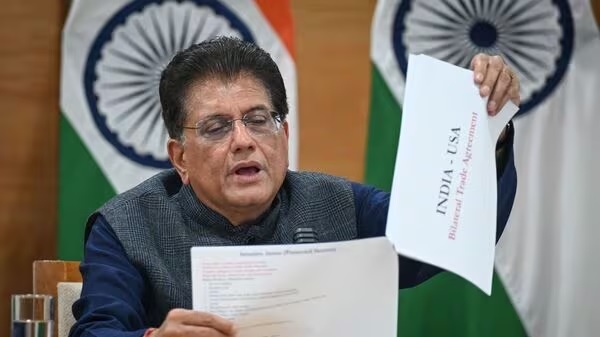
NEW DELHI :
REITERATING that India has completely protected its agriculture and dairy sectors in the US trade agreement, Commerce
and Industry Minister Piyush Goyal said
on Saturday that the country now has lowest US tariffs among its neighbours as well
as competitors.
China has been imposed with over 35
per cent tariffs, while Bangladesh and
Vietnam have been slapped with 25 per
cent tariffs while India has a much lesser tariff now, the Minister said during a
press conference here.
Some of the countries facing the highest tariffs from the US include Brazil (50
per cent), Myanmar (40 per cent), Laos
(40 per cent) and SouthAfrica (30 per cent).
India’s exports worth about USD 44
billion to the US will enter the American
market at zero reciprocal tariffs under the
first phase of the bilateral trade agreement, which is expected to be signed by
mid-March, Goyal said.
While Indian goods worth about USD
30 billion will continue to attract an 18
per cent tariff (which includes goods from
the labour-intensive sectors), there will
be no change in duties on goods worth
USD 12 billion (including steel, copper
and certain auto parts).
In the agriculture sector, several Indian
products will now be exported to the US
with zero duty. These include tea, spices,
coconut oil, vegetable wax, areca nut,
Brazil nuts, chestnuts, and a variety of
fruits and vegetables, he informed.
According to Goyal, vegetable roots,
cereals, barley, bakery products, cocoa
products, sesame seeds, poppy seeds,
and citrus juice will also face no reciprocal tariffs and will now enter the US
market duty-free. Gems and jewellery, as
well as pharmaceutical products, will also
enjoy duty-free access, boosting India’s
export competitiveness.
Key sectors benefiting include aircraft
parts, machinery parts, generic drugs and
pharmaceuticals. Other items covered
under zero duty include coins, platinum,
clocks and watches, essential oils, some home decor items like chandeliers, seeds, and inorganic chemicals and compounds. He emphasised that the trade deal does not harm farmers’ interests and aims to protect their livelihoods while expanding export opportunities. No genetically-modified products will be allowed into India, said Goyal, adding that staples like maize, rice, wheat, millets, and ragi will not see any impact. Fruits grown in abundance in India, including banana and citrus, will remain protected. Meat, poultry, dairy products, soya bean, sugar, and cereals will not be affected by the deal. India has granted a quota-based duty concession to the US on apples under the interim trade pact, while fully protecting domestic apple growers, Goyal said. India has imposed a minimum import price (MIP) of Rs 80 per kg and an import duty of 25 per cent on apples from the US under the proposed India-US trade pact, which is expected to be signed by mid-March. There will be significant benefits for the textile and leather sectors. Silk products have also been brought under zero duty, said the minister. The trade agreement will open a $30 trillion market for Indian exporters, especially MSMEs, farmers and fishermen. The increase in exports will create lakhs of new job opportunities for our women and youth, he said.