Youth in 2026: Highly educated, deeply anxious
Date :09-Feb-2026
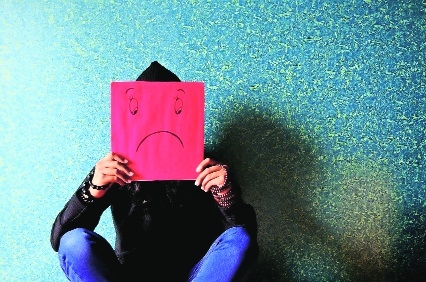
The paradox of the modern young adult has never been starker. Today's youth are the most educated, yet they navigate a world that offers them less stability, security and peace of mind than their predecessors. Beneath the impressive resumes and LinkedIn profiles lies a generation struggling with profound anxiety, burnout and a gnawing sense that no amount of preparation will ever be enough.
This is the reality of youth in 2026: Degrees are increasing, but certainty is not. The promise was simple, get educated, work hard and secure your future. For decades, this formula held. A bachelor’s degree was a golden ticket to middle class, a master’s degree opened doors to leadership and specialized credentials guaranteed expertise. But somewhere along the way, the equation broke down.
The gap between education and employability has widened into a chasm.
Universities continue to churn out
graduates armed with theoretical knowledge, but employers demand practical experience that can only be gained through years in the workforce, thus creating an impossible catch-22.
If the education-employability gap creates professional anxiety, social media has weaponised personal insecurity. The psychological toll is measurable and severe. Studies consistently link social media use to increased rates of anxiety, depression, and feelings of inadequacy among young people. But the damage goes deeper than clinical diagnoses.
Social media has fundamentally altered how young people perceive success and measure their worth. Life has become a performance, with likes and comments serving as the audience's verdict. Social media comparison intensifies the appeal of hustle culture.
Hustle culture leads to burnout, which undermines performance, which deepens job insecurity. It's a vicious cycle that leaves young people feeling trapped, anxious, and exhausted.
Yet amid this landscape of anxiety, there are signs of resistance and reimagining. Some young people are rejecting hustle culture's demands, setting boundaries around work, and prioritizing mental health over constant productivity. Others are questioning the value of traditional credentials and forging alternative paths.
Conversations about mental health have become more open, reducing stigma and creating space for vulnerability. The challenge for society is to move beyond individual coping strategies and address the structural forces creating this anxiety.

By Vasavi Barde