NMC’s healthcare network records over 9 lakh footfalls
| Date :12-Mar-2026 |
By Kabir Mahajan :
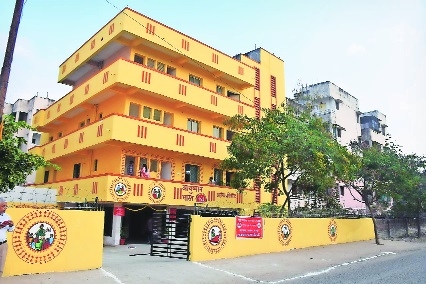
Nagpur’s primary healthcare infrastructure witnessed an upsurge in public trust, recording a total footfall of over 9 lakh patients, between April 2025 and February 2026. Specifically, the Urban Primary Health Centres (UPHC) treated 9,09,846 citizens, while the Urban Health and Wellness Centres (UHWC), known as Ayushman Aarogyam Mandir, served 8,11,174 residents. This data underscores the critical role of localised medical facilities in decentralising healthcare in the orange city.
Under the National Urban Health Mission (NUHM), Nagpur currently operates 51 UPHCs, each designed to manage a population capacity of up to 50,000 people.
To further penetrate residential pockets, out of 113 sanctioned, 97 Ayushman Aarogyam Mandirs have been established under the 15th Finance Commission. These smaller units serve as the first point of contact for communities of 10,000 to 15,000 people, ensuring that basic medical consultation is available within walking distance.
Specialist services and polyclinics:
To bridge the gap between primary and tertiary care, 15 Polyclinics are currently operational across 51 UPHCs. Whereas these centres offer seven specialised services:
Mandatory Bi-weekly visits: General Physicians, Gynecologists, and Pediatricians visit twice a week.
Specialised monthly care: Dermatologists, Psychiatrists, Ophthalmologists, and ENT (Eyes, nose and throat) specialists visit twice a month. Specialists are available from 8 am to 4 pm, providing high-quality consultation that was previously only available at major Government hospitals like GMCH or Mayo Hospital.
Accountability and performance-based contracts: Speaking on the performance of the doctors with The Hitavada, Dr Ashwini Nikam, City Programme Manager, NUHM stated “'To maintain a high standard of patient care, all doctors and specialists are appointed on a contractual basis for a period of 11 months and 19 days. A rigorous performance review is conducted by the Level Head Medical Officer before any contract renewal.”
“The administration maintains a zero-tolerance policy regarding professional conduct.
If a doctor is found to be abusive, exhibits poor behaviour, or if the facility receives substantiated complaints from citizens, their contract is strictly not renewed, Dr Nikam stated. “It is mandatory for the doctors to be at the hospital during their visiting hours, they cannot work at their clinics or run away during those hours. If they fail to comply their duty, it comes under false practice and action will be taken against those doctors,’ she added.
This performance-linked model ensures that the huge volume of patients, nearly 10 lakh in UPHCs alone, receives not just medical treatment, but dignified and ethical care. As the city moves towards a more robust public health framework, these figures from 2025-26 prove that the strategic placement of UPHCs and Wellness Centres is effectively reducing the burden on major civil hospitals.