OMCs introduce 25-day gap for LPG cylinder booking
Date :09-Mar-2026
Business Reporter :
14.2 kg LPG to cost Rs 964.50 while 19-kg commercial LPG price hiked to Rs 2,059/cylinder
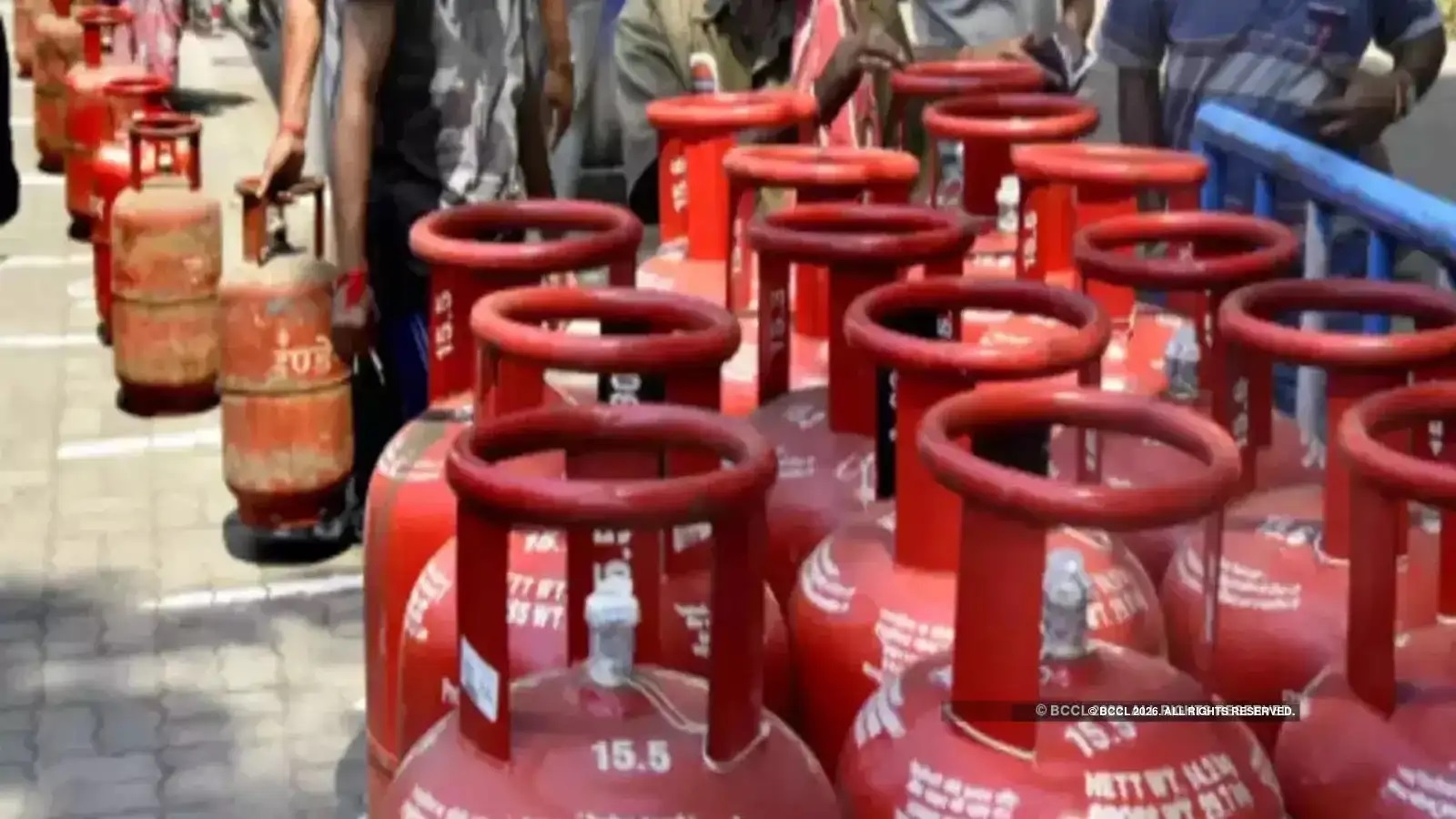
Oil Marketing Companies (OMCs) have introduced a mandatory 25-day gap between LPG cylinder bookings to prevent hoarding and panic buying and to ensure a steady supply of cooking gas to consumers. Officials clarified that there is no national rationing of domestic LPG cylinders, but the new rule will restrict consumers from booking a new cylinder before 25 days from their previous booking.
According to sources, the move has been taken to maintain proper distribution of LPG cylinders and avoid stockpiling during periods of high demand. Consumers can continue to receive cylinders, but they must wait at least 25 days after their last booking before placing a new order.
At the same time, prices of LPG cylinders have also been increased, adding to the financial burden on households and businesses. The price of the 14.2-kg domestic LPG cylinder has been increased by Rs 60. With the new revision, a domestic cylinder now costs Rs 964.50 in the city, compared to the earlier price of Rs 904.50. The revised rates came into effect from March 7.
Similarly, the price of the 19-kg commercial LPG cylinder has been increased by Rs 143.50. It now costs Rs 2,059, whereas earlier it was priced at Rs 1,915.50. Government sources said that beneficiaries under the Pradhan Mantri Ujjwala Yojana will continue to receive a subsidy of Rs 300 for up to 12 refills every year, which provides some relief to economically weaker households.
Officials also clarified that there is no restriction on the supply of commercial LPG cylinders and ensured uninterrupted supply to hotels, restaurants and other commercial establishments.
Industry sources said the price hike is linked to the sharp rise in global energy prices following escalating tensions in the West Asia region. The recent US and Israel attacks on Iran have triggered a wider conflict, disrupting oil and gas transportation. The crisis has also affected tanker movement through the Strait of Hormuz, a key route for global oil and gas shipments which led to increased energy prices worldwide.