She is Shakti
| Date :09-Mar-2026 |
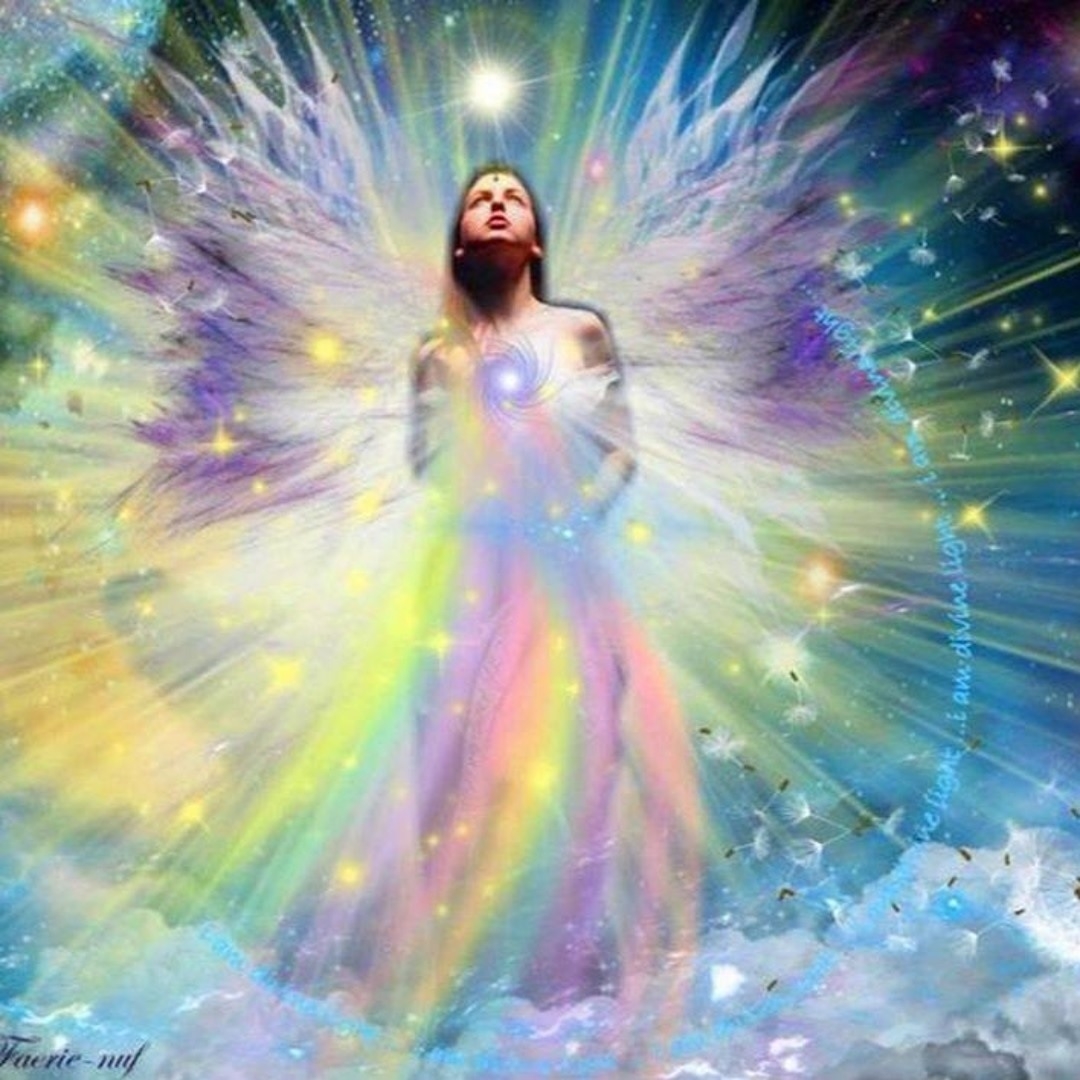
By DR RACHANAA DATEY Yatra naryastu pujyante ramante tatra devatah, yatraitastu na pujyante sarvastatraphalah kriyah (Where women are honoured, there the divine rejoices; Where they are not honoured, all actions remain fruitless) T his ancient Sanskrit verse echoes across centuries, carrying a truth that modern civilisation is still rediscovering: the progress of society is inseparable from the dignity, strength, and leadership of women. In temples across India, we worship the Divine Feminine in many forms—Durga, Saraswati, Lakshmi, Kali.
We light lamps before them, seek blessings, and invoke their protection. Yet the deeper wisdom of Indian knowledge traditions reminds us that the Goddess is not merely an idol carved in stone. She is Shakti — the cosmic energy that animates existence itself.
Today’s modern woman—scientist, entrepreneur, teacher, soldier, artist, policymaker, homemaker—is that living Shakti. She is the contemporary embodiment of ancient archetypes. She negotiates boardrooms, pilots aircraft, leads nations, heals communities, nurtures families, and builds economies. This is not a narrative of comparison between past and present. It is a recognition that the Devi was never confined to mythology; she walks among us, shaping the world. The Idea of Shakti: Ancient Wisdom, Modern Reality In Indian philosophy, creation itself begins with Shakti—divine feminine energy. Without Shakti, even Shiva is considered inert. The symbolism is profound: potential requires energy; structure requires dynamism; power requires activation. Modern women represent this activating force in society.
Across continents, women contribute to GDP growth, scientific breakthroughs, policy reforms, education systems, healthcare advancements, and social transformation. According to global economic analyses, increasing women’s workforce participation significantly boosts national productivity. Ancient Indian knowledge did not view women as secondary. The Vedic era records women scholars like Gargi and Maitreyi engaging in philosophical debates.Women composed hymns in the Rigveda. The Devi Mahatmya celebrated feminine power as the force that restores cosmic balance. Modern feminism often frames empowerment as resistance. Indian philosophical tradition frames it as recognition—the awakening of inherent power.
Durga: The Warrior Spirit in Modern Women Durga is depicted riding a lion, armed with weapons from multiple gods. She is the embodiment of courage and righteous strength, created to defeat Mahishasura when no male deity could. Today, women in armed forces, law enforcement, disaster response, and activism mirror this Durga energy. From commanding battalions to leading rescue missions, modern women confront challenges that demand physical endurance and mental resilience. Women officers in the Indian Armed Forces and military leaders globally symbolise this shift. They are not symbolic participants—they are operational decision-makers. In corporate contexts, women executives navigate competitive markets with strategic courage. Leading multinational corporations, managing billion-dollar portfolios, and steering innovation pipelines, they carry the Durga archetype into boardrooms.
The similarity lies not in weaponry but in resolve. Durga represents the refusal to surrender to injustice. Modern women embody that refusal—whether confronting gender bias, negotiating policy reforms, or defending human rights. Durga’s lion symbolises fearless mobility.
Today’s women traverse geographies and industries with similar boldness. Saraswati: The Intellectual Force Shaping Civilisations Saraswati, Goddess of Knowledge, music, and wisdom, holds the veena and sacred texts. She represents clarity of thought and refinement of expression. Modern women dominate academia, research, and innovation ecosystems. Women scientists contribute to space missions, climate research, biotechnology, and AI development. Universities worldwide see increasing representation of women as professors, researchers, and thought leaders. Education systems shaped by women educators impact generations. The nurturing of intellect and curiosity mirrors Saraswati’s calm yet transformative presence. In media and arts, women writers, filmmakers, musicians, and designers redefine narratives. They amplify voices once silenced and expand cultural imagination.
Ancient Indian tradition recognised knowledge as sacred power. Modern women wield that power through research publications, patents, technological innovation, and intellectual leadership. Saraswati sits on a white lotus - symbolising purity of wisdom. Today’s women scholars and thinkers continue to expand humanity’s intellectual horizons. Lakshmi: Economic Architects of Modern Societies Lakshmi is the Goddess of Prosperity and abundance. She signifies not merely wealth, but sustainable well-being.
Modern women are economic catalysts. From self-help groups in rural India to global CEOs heading multinational corporations, women contribute significantly to economic ecosystems. Women entrepreneurs build start-ups in fintech, healthcare, edtech, and sustainable technology. Microfinance movements led by women have transformed rural economies. Women-led enterprises often reinvest profits into education and community development, amplifying societal impact. Financial independence is modern Lakshmi energy. It represents agency, decision-making power, and systemic contribution.
Ancient Indian households considered Lakshmi the center of domestic prosperity. Modern households and nations increasingly recognise that women’s financial empowerment correlates with improved health, education, and social indicators. Lakshmi is depicted with gold coins flowing from her hands.
Today, women shape capital flows through investment strategies, venture capital networks, and policy reforms. Kali: Breaking Boundaries and Rewriting Narratives Kali symbolises transformation, destruction of ego, and fierce liberation. Her imagery challenges conventional notions of femininity. Modern women who challenge systemic oppression reflect Kali’s transformative energy. Movements advocating equal pay, anti-harassment policies, reproductive rights, and representation in governance embody this fierce voice. Kali’s symbolism is often misunderstood. She does not destroy for chaos; she destroys to renew. Similarly, modern reform movements led by women dismantle outdated systems to create equitable frameworks. In literature, journalism, activism, and law, women confront uncomfortable truths. They expose corruption, advocate transparency, and demand justice. Kali stands on Shiva - representing awakened consciousness. Modern women’s activism awakens collective awareness about rights and responsibilities.
Women in Science, Technology, and Innovation From space exploration to artificial intelligence research, women scientists are redefining innovation. Female engineers lead aerospace missions; data scientists build predictive algorithms; healthcare researchers design life-saving therapies. The integration of emotional intelligence with analytical expertise brings a balanced leadership style often associated with collaborative success.
Ancient Indian knowledge systems emphasised holistic thinking - combining rational inquiry with intuitive insight. Modern women leaders often demonstrate this integrative approach. Political Leadership and Governance Women leaders across nations have shaped policy landscapes—focusing on public health, education, diplomacy, and social welfare.In India, figures like Indira Gandhi demonstrated decisive political leadership. Globally, leaders such as Angela Merkel guided nations through economic crises with pragmatic steadiness.
Political leadership requires strategic vision and emotional resilience — qualities resonant with Durga’s strength and Saraswati’s wisdom.
Ancient Indian epics and scriptures contain examples of queens and female advisors influencing governance. The continuity is evident: leadership is not gendered; it is capacity - driven. Women in Arts, Sports, and Cultural Renaissance Athletes, performers, and artists redefine excellence daily. From Olympic podiums to international film festivals, women command global recognition.Their journeys often involve overcoming systemic barriers, balancing personal responsibilities, and sustaining discipline. The Devi archetype emphasises multi-dimensional strength - physical, mental, and spiritual. Modern athletes embody this integration. The Balancing Act: Modern Women as Multi-Role Leaders One of the most extraordinary aspects of modern womanhood is multiplicity. A woman may simultaneously be a professional leader, caregiver, community volunteer, and lifelong learner. This multidimensional engagement reflects the concept of Ardhanarishvara— balance of energies. Today’s women navigate hybrid identities with remarkable adaptability. Technology enables flexible work models, but the emotional labour often remains invisible. Recognition of this invisible labour is essential for equitable progress.
Ancient Indian wisdom never confined women to a single identity. They were scholars, warriors, householders, ascetics. Challenges and the Path Forward Despite remarkable achievements, gender disparities persist—pay gaps, leadership underrepresentation, safety concerns. Ancient texts acknowledged that societies flourish where women are respected.
The Sanskrit verse at the beginning is not merely poetic - it is policy guidance. Modern institutions must: Promote equitable pay structures. Ensure safety and anti-harassment frameworks. Encourage leadership mentorship. Recognise unpaid care work. Foster inclusive cultures. Empowerment is not charity; it is strategic necessity. The Spiritual Dimension of Empowerment Indian philosophy speaks of awakening the inner Shakti. Empowerment begins within - through selfawareness, confidence, and education. Modern women increasingly invest in self-development, leadership training, and financial literacy. This inner awakening parallels the Devi’s symbolic awakening during Navaratri celebrations. The nine forms of Durga celebrated during Navaratri represent stages of growth - from innocence to wisdom to fierce protection.
Modern womanhood reflects similar evolution - education, skill development, leadership assertion, societal impact. A Global Sisterhood The rise of digital platforms has connected women globally. Entrepreneurs collaborate across borders. Scholars co-author research internationally. Activists coordinate movements digitally. The Devi archetype transcends geography. Feminine energy as creative force exists in cultures worldwide. Modern women embody global citizenship while preserving cultural roots. The Living Temple of Shakti The goddess is not distant. She is present in laboratories, classrooms, courtrooms, farms, startups, parliaments, and homes. The ancient verse reminds us: where women are honoured, divinity flourishes. Modern women are not merely participants in development; they are architects of civilisation’s next chapter. They are Durga when they confront injustice. They are Saraswati when they illuminate minds. They are Lakshmi when they generate prosperity. They are Kali when they transform systems. Ancient Indian knowledge envisioned the Divine Feminine as the sustaining energy of the cosmos. Today’s world witnesses that vision unfolding in tangible, measurable, transformative ways. As societies move toward greater equality, the goal is not to elevate women above men, but to recognise balanced partnership. When Shakti and consciousness unite, creation thrives. In every innovation, every policy reform, every classroom lesson, every healing touch, every entrepreneurial leap—there stands the living Devi. And when she rises, civilisations rise with her.
(The author is Founder Director – QUEST EDUSTATION - Training and Learning Solutions. Email: - [email protected])