When staying strong becomes a Burden
| Date :20-Apr-2026 |
From an early age, we introduce our children to a world of invincible heroes. Superman flies through fire without flinching; Batman the protector, Spider-Man the saviour...they continuously fight, they rarely take a pause. And yes, they almost never weep. Somewhere between the capes and the reality, children absorb a silent lesson: Strength is survival and vulnerability is failure. Over time, resilience transforms from a virtue into a burden and childhood, meant to be a season of growth, becomes a quiet endurance test. But every human being-no matter how heroic-has a saturation point.
We tell them, “Be brave”, “Be strong”, “Don’t cry”, “Handle it” and then comes a moment when even the strongest child grows tired. At their saturation point, children need a pause, the permission to fall apart without being judged.
Yet many children suffer alone because they fear that tears will make them weak in the eyes of the very people they seek approval from. They fear that vulnerability will sound like ingratitude. The tragedy is not that children struggle. The tragedy is that they often believe they must struggle silently.
Parents today face immense pressures- responsibilities, economic uncertainty, social comparison etc. In their sincere desire to prepare their children for a demanding world, they may unintentionally emphasise performance over emotional processing. Marks over mental health. Achievement over authenticity. But strength without emotional expression is not resilience; it is suppression.
It is important to understand that a child retreating to cry alone is
not necessarily dramatic. It may be their way of preventing an emotional overflow in public. It may be their final attempt to self-regulate before they break.
A parent who knocks gently instead of demanding answers.who says, “It’s okay to feel tired. You don’t have to be strong all the time.”
These small gestures build emotional literacy.
When parents validate feelings, they are not raising fragile children. They are raising emotionally intelligent adults-individuals who can acknowledge stress before it becomes self-destruction. Individuals who will not measure their worth solely by productivity.
Let us teach our children that heroes are not those who never fall. True courage is acknowledging when you are overwhelmed. True strength is asking for help. True resilience is built not by suppressing tears, but by being held through them. A child who knows they can collapse safely at home will rise stronger outside it.
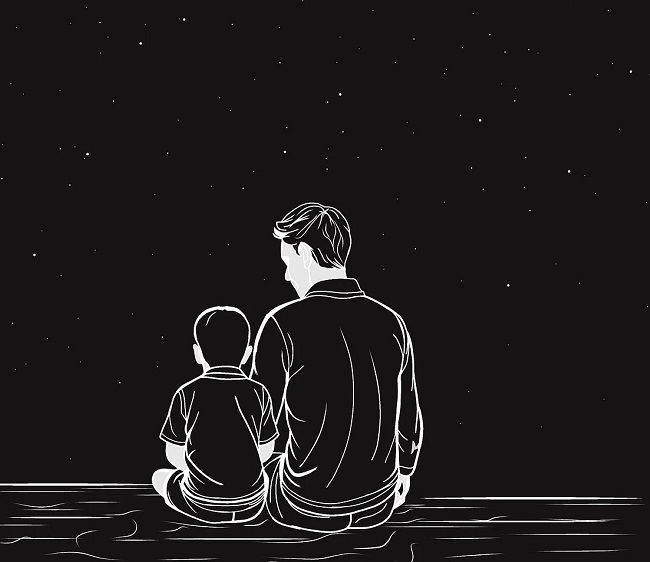
In a world that glorifies relentless toughness, let parents be the gentle exception. Because sometimes, the bravest thing a child can do is stop pretending to be a superhero. And the most powerful thing a parent can do is sit beside them when the cape comes off.
By Sanjana Sharma