Youth, caught between tradition & global identity
| Date :18-May-2026 |
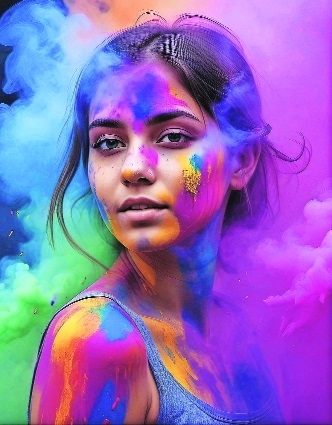
The youth in India of today often find themselves caught between centuries-old traditions and the powerful influence of a globalised, digital world.
India’s youth, over 600 million strong, carry a unique responsibility: Preserving a rich cultural heritage while contributing to the making of a modern superpower. However, this dual role creates tensions. Western influence, career expectations and evolving social norms often reshape identities, sometimes leading to confusion and self-doubt.
The rise of smartphones and the internet has transformed cultural exposure. Today’s youth live in a borderless digital space where global content is instantly accessible.
While this encourages cultural exchange, it also creates an imbalance Indian youth consume Western media far more than the reverse.
Success is increasingly defined through individual achievement, financial gain and global mobility. Traditional values such as community, family duty and collective well-being often take a back seat.
While globalisation has opened new opportunities, societal expectations remain rigid. Choosing unconventional paths requires courage and often risks family approval.
For girls, these challenges are even more complex. While educational opportunities have expanded, societal expectations around marriage and family persist.
At the same time, Indian youth experience a paradox in cultural identity. There is both pride and hesitation. Traditional practices like yoga or classical arts gain recognition only after global validation. This dependence on external approval weakens internal confidence in one’s own culture.
However, not all youth blindly imitate the West. Most exist in a middle space adopting global influences while retaining elements of tradition. This creates hybrid identities, where individuals comfortably switch between cultural contexts. Yet, the pressure to “choose” between being traditional or modern often leads to identity fragmentation. This internal conflict has psychological consequences. The pressure to meet both traditional and modern definitions of success can feel overwhelming.
Despite these challenges, there is resilience. Many youth are learning to integrate multiple identities rather than reject one for another. The real solution lies in rejecting the false binary between tradition and modernity. Indian identity has always been adaptive and evolving.
Indian youth today are not lost; they are evolving. By embracing complexity and navigating contradictions, they are shaping a modern identity that is both global and deeply rooted. In doing so, they are not abandoning tradition0they are redefining it for the future.

By Vasavi Barde