Tough times ahead for farmers as rain, hailstorm batter State
Date :04-May-2026
Staff Reporter :
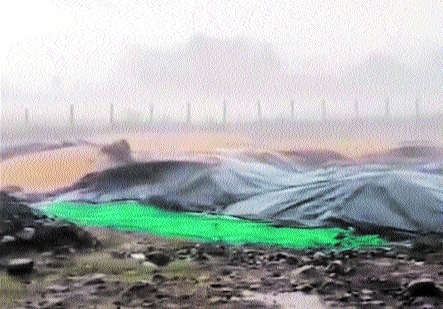
The reality at some of the procurement centres has turned grim as last few days of unseasonal rain and hailstorm battered the agricultural heartland. Although official procurement process remains operational, thousands of farmers find themselves in a desperate struggle to save their livelihoods, with their produce left exposed to the elements while they wait for their turn to sell.
Anxiety among farmers is palpable as the weather shows no signs of clearing. Farmers waiting at warehouses and procurement centres fear that the persistent moisture will lead to irreversible damage.
“This rain is looming distress for us. We are scared that even the wheat already sitting at the warehouses will get affected. If the wheat gets wet, it will be difficult to get a fair price. If the grain turns black or develops moisture issues, our entire season’s hard work will be for nothing, said a concerned farmer whose produce waits at a local procurement warehouse.
The crisis extends beyond wheat to other vital crops that were in various stages of growth or harvest.
“Sudden hail and rain have severely damaged moong crop.
We are now worried if it will even be able to dry up and become useful. To make matters worse, sugarcane also got hit by hail, which will undoubtedly hamper its quality. I still have about 2 to 3 trolleys of wheat intended for procurement, but I have already been turned away from
the center because the grain got drenched. My main task now is to get it dry as soon as possible; otherwise, it will be completely damaged and I won’t be able to sell it at all,” said Nikhil, a farmer from Raisen district. The State has faced severe atmospheric turbulence, including hailstorms in Guna, Raisen and Balaghat districts. Even high-velocity winds, clocked as high as 85 km/h in Betul and 72 km/h in Ashoknagar, have reportedly flattened standing crops in several pockets.
According to local farmer, these conditions create a logistical nightmare as it becomes exceptionally difficult to store and save their harvest from further decay. Once the standing crop is flattened and soaked, the grain is at an immediate risk of turning black or developing fungal growth, which significantly degrades its quality.
Farmers have expressed deep distress over lack of adequate shelter as thier crop lies in khalihans, noting that even with plastic coverings, the sheer volume of moisture and the continuing forecast for rain make it a losing battle to keep the wheat dry enough for sale.