Birds disappear into concrete shadows as sun emits fire on city this summer
| Date :08-May-2026 |
By Simran Shrivastava :
Blue rock pigeons slipping into exhaust ducts, sparrows hiding beneath tin shades and parakeets crowding narrow concrete cavities have become a common sight across the city this summer as relentless heat pushes birds into unusual urban shelters. Birds earlier occupied trees, terraces and open ledges. They are now retreating into artificial pockets of shade where trapped airflow offers brief relief from the punishing afternoon heat. The movement is a signal of the deepening ecological stress within the city.
The city recorded severe heatwave conditions through April 2026, with temperatures touching nearly 45.4 degrees Celsius in parts of the city. Dr Rahul Chahande, Assistant Professor, Bajaj College of Agriculture explained that, this extreme heat has made survival a challenge for birds, particularly in
urban areas where concrete traps heat and natural water sources are scarce.
“As a result, many birds suffer from severe dehydration, heatstroke, and malnutrition, frequently falling to the ground from exhaustion,” Dr Chahande explained. He has observed that house sparrows, rose ringed parakeets, little brown doves and blue rock pigeons are being found exhausted, dehydrated or displaced during intense heat hours. Dr Sharyu Ghonmode Fulzele, Entemologist and Professor, Shivaji Science College, explained that, as a matter of concern, dehydrated bird rescue cases at the Zoological Survey of India, Nagpur, rose by nearly 60 per cent this April compared to the same period last year.
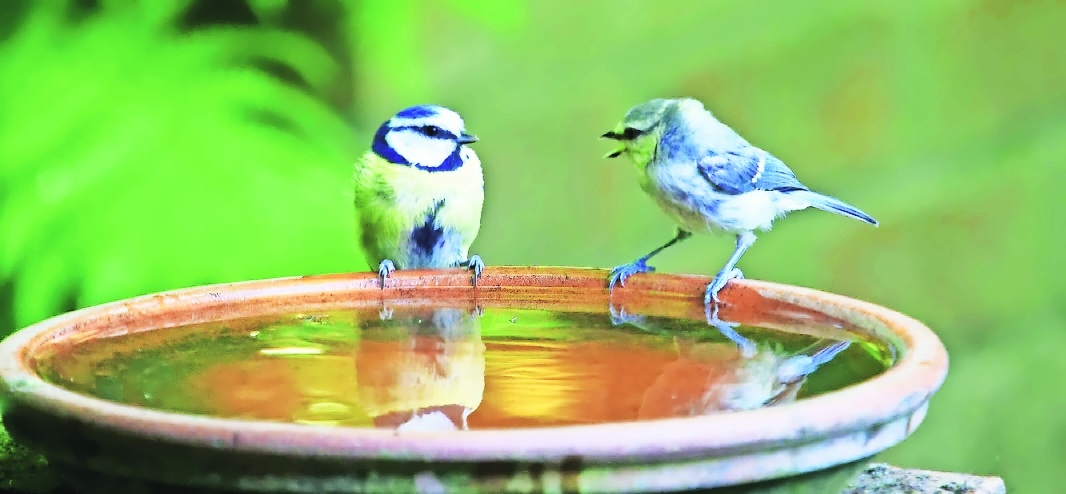
Concrete-heavy neighbourhoods trap and radiate heat long after sunset, reducing natural cooling spaces for birds. “Large buildings, roads and exposed surfaces continue emitting stored heat through the evening, while tree cover and accessible water sources continue shrinking,” Dr Chahande elaborated. He lamented that, birds are therefore being pushed towards shaded man-made structures simply to stay alive. Dr Chahande noted that, simple acts by humans can become critical during extreme heat. “For many birds, access to a small bowl of clean water now determines survival during the afternoon,” he pointed out. He concluded that, however, beyond temporary relief, cities will ultimately need more trees, restored water bodies and cooler urban planning if biodiversity is to survive rising temperatures.
Birds use biological cooling mechanisms to cope with heat
Several common birds are using natural cooling mechanisms during heatwaves. Birds do not sweat. Pigeons cool themselves through rapid throat vibrations called gular fluttering, where moisture evaporates continuously to release body heat. Dr Fulzele explained that, during severe heat, they sit with open beaks and trembling throats because their bodies are struggling to maintain safe temperature levels. “Crows slightly spread their wings away from the body to create narrow cooling air channels,” Fulzele added. She added that, weaver birds instinctively build nests with east facing entrances that avoid direct exposure to the harsher western sun later in the day. She further elaborated that, summer is also changing food behaviour. Koels are feeding more on Jamun and Ber because these fruits contain high water content.
Some birds even temporarily abandon Nagpur and move towards cooler forested hill regions where temperatures are several degrees lower.