GMCH’s Cobalt Unit losing efficiency, cancer patients face longer waiting time
| Date :03-Jun-2026 |
By Vikas Vaidya :
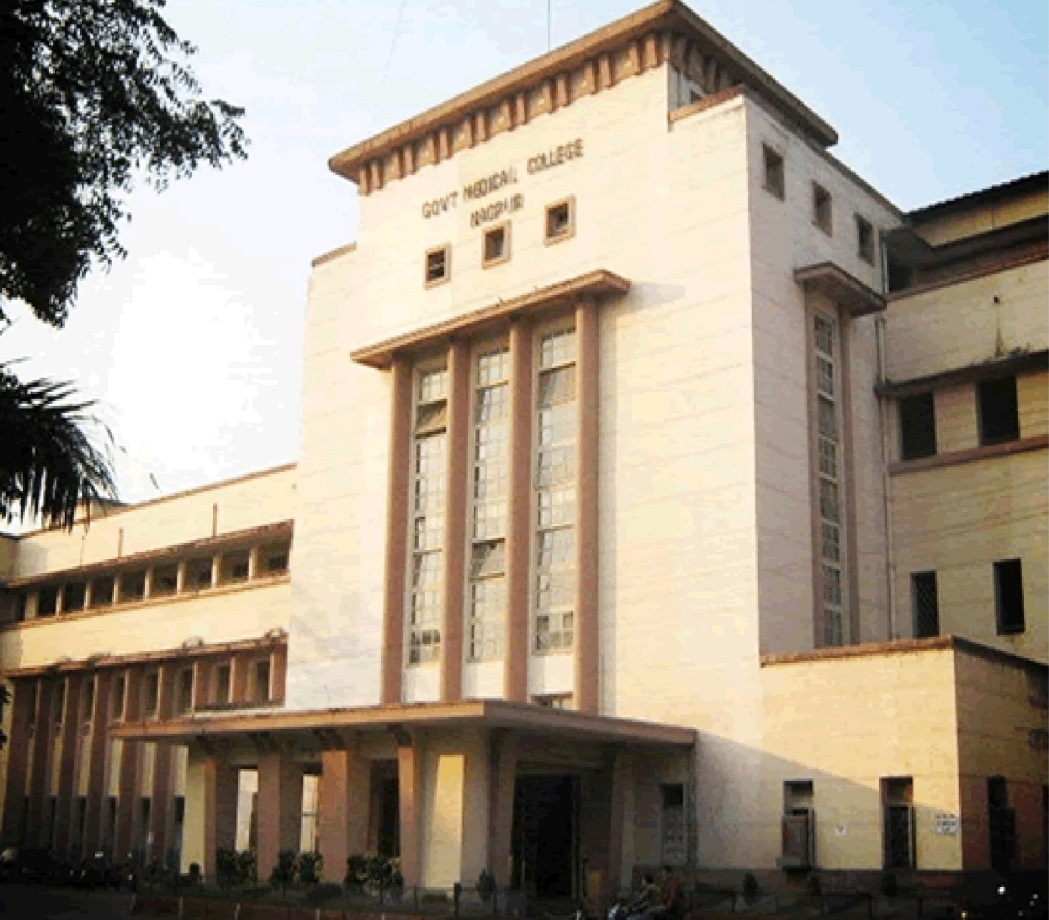
The Cobalt Unit at the Department of Radiotherapy in Government Medical College and Hospital (GMCH) is gradually losing its radiation strength, significantly affecting cancer treatment services and reducing the number of patients who can be treated each day.
According to hospital sources, when the Cobalt Unit was operating at full efficiency, nearly 80 cancer patients could receive radiation therapy daily. However, due to the declining strength of the radioactive source Cobalt-60, the number of beneficiaries has dropped to around 30 patients per day.
The reduction in efficiency has also increased treatment time.
Earlier, a patient required less than a minute to receive the prescribed radiation dose. At present, the same procedure takes more than five minutes, resulting in longer waiting periods and reduced patient throughput.
GMCH had installed the Cobalt Unit in 2006 and replaced its radioactive Cobalt-60 source in 2016. The source, which is used to destroy cancer cells through radiation therapy, typically has an effective lifespan of around five years, after which its radiation output gradually declines.
Officials said efforts are underway to procure a replacement source. Traditionally, Cobalt-60 sources are imported from Canada, but the process has been delayed. GMCH has also approached the Board of Radiation and Isotope Technology (BRIT), an autonomous unit under the Department of Atomic Energy, for assistance. However, sources indicated that BRIT has
expressed difficulties in exchanging the existing source because it is an internationally supplied unit.
Linear Accelerator project still awaiting completion
Meanwhile, the long-pending proposal for installation of a Linear Accelerator (LINAC), a more advanced radiation therapy machine, continues to face delays despite directions from the Nagpur Bench of the Bombay High Court.
During the hearing of a suo motu public interest litigation in November 2025, Amicus Curiae Advocate Anup Gilda informed the court that it had earlier directed authorities in January 2024 to complete the installation process by March 25, 2024. The estimated cost of the project, initially pegged at Rs 23.20 crore, had subsequently increased substantially.
The Division Bench comprising Justice Anil Kilor and Justice Rajnish Vyas had expressed displeasure over the delays and observed that the Government should act in the interest of poor cancer patients instead of offering repeated explanations for the slow progress.
Following sustained follow-up and court intervention, the Government granted technical approval and later sanctioned approximately Rs 35 crore for the Linear Accelerator project. However, officials said it may take at least a year for the equipment to become operational after procurement and installation.
The bunker required for housing the Linear Accelerator has already been prepared in the new cancer hospital building being constructed by the Nagpur Metropolitan Region Development Authority (NMRDA), though construction progress has been slower than expected.
Healthcare experts believe that if GMCH succeeds in obtaining a replacement Cobalt-60 source from BRIT or another authorised supplier, a large number of cancer patients can continue to receive timely treatment until the Linear Accelerator and CT Simulator become operational. Once commissioned, the new facilities are expected to benefit thousands of cancer patients from Nagpur and across the Vidarbha region.